Silver Palace's Dark Fairy Tale Characters
Silver Palace's most compelling narrative hook is its dark reimagining of classic fairy tales within a Victorian gothic metropolis. This guide explores the twisted tales behind beloved characters.
The Fairytale Concept
Core Premise
Silver Palace reimagines classic fairy tales as dark, gothic narratives set in industrial Silvernia. Characters are not literal fairytale beings but modern interpretations with psychological depth.
Thematic Approach:
- Victorian industrial setting replaces fantasy kingdoms
- Psychological horror over whimsical magic
- Social commentary on class, power, and corruption
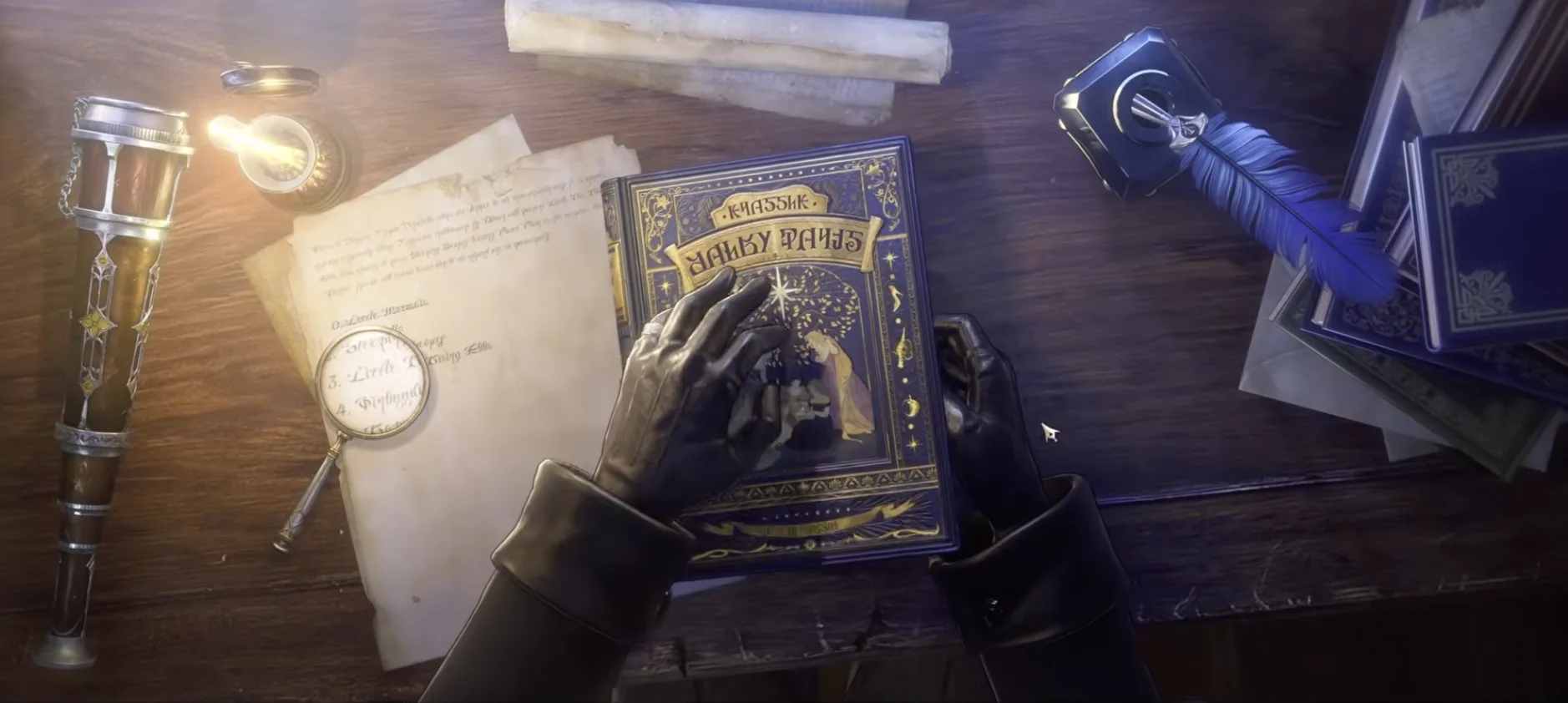
- Meta-narrative "Author" framework
Key Quote: "Fate cannot be fought unless you are the author."
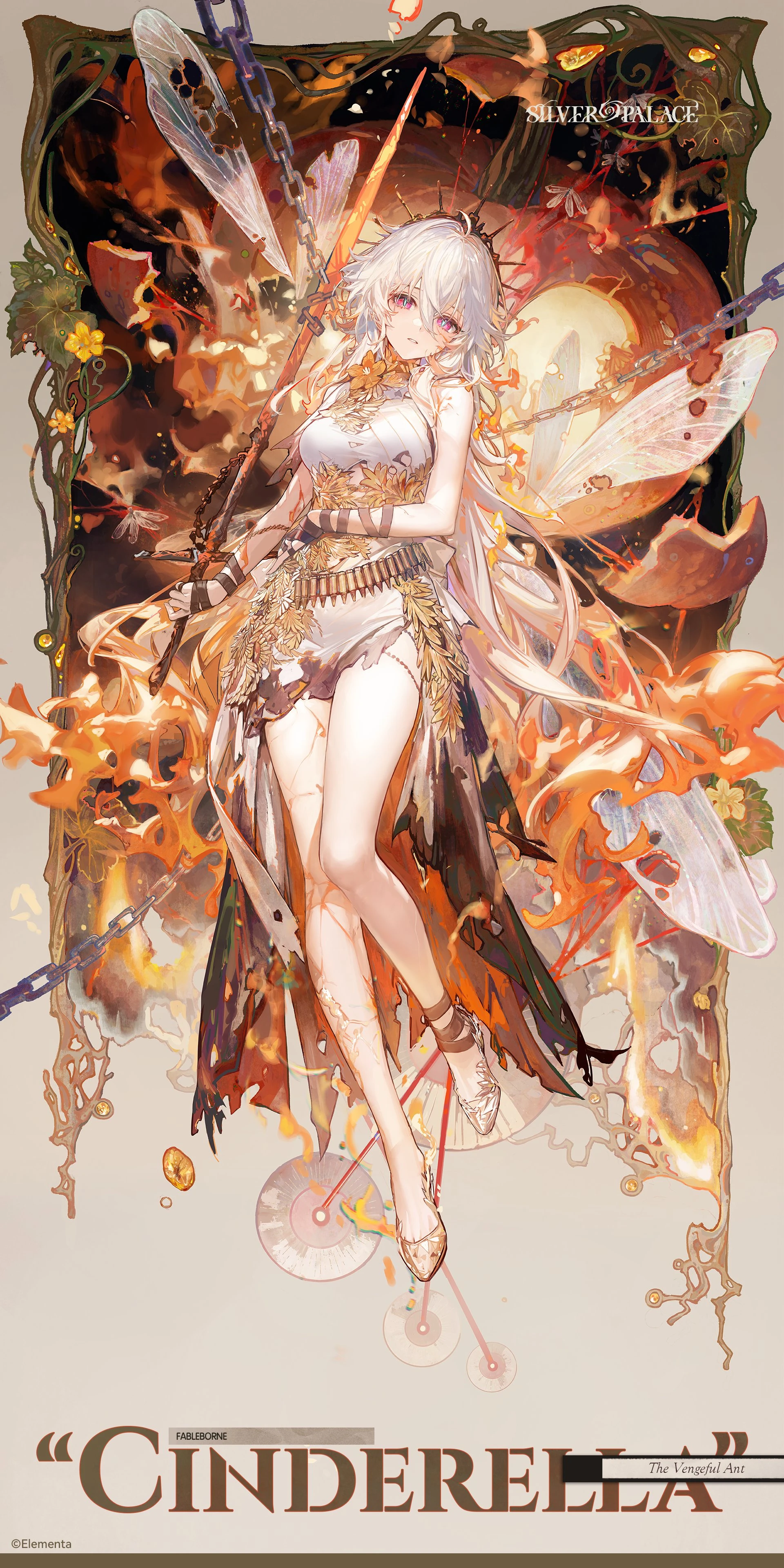
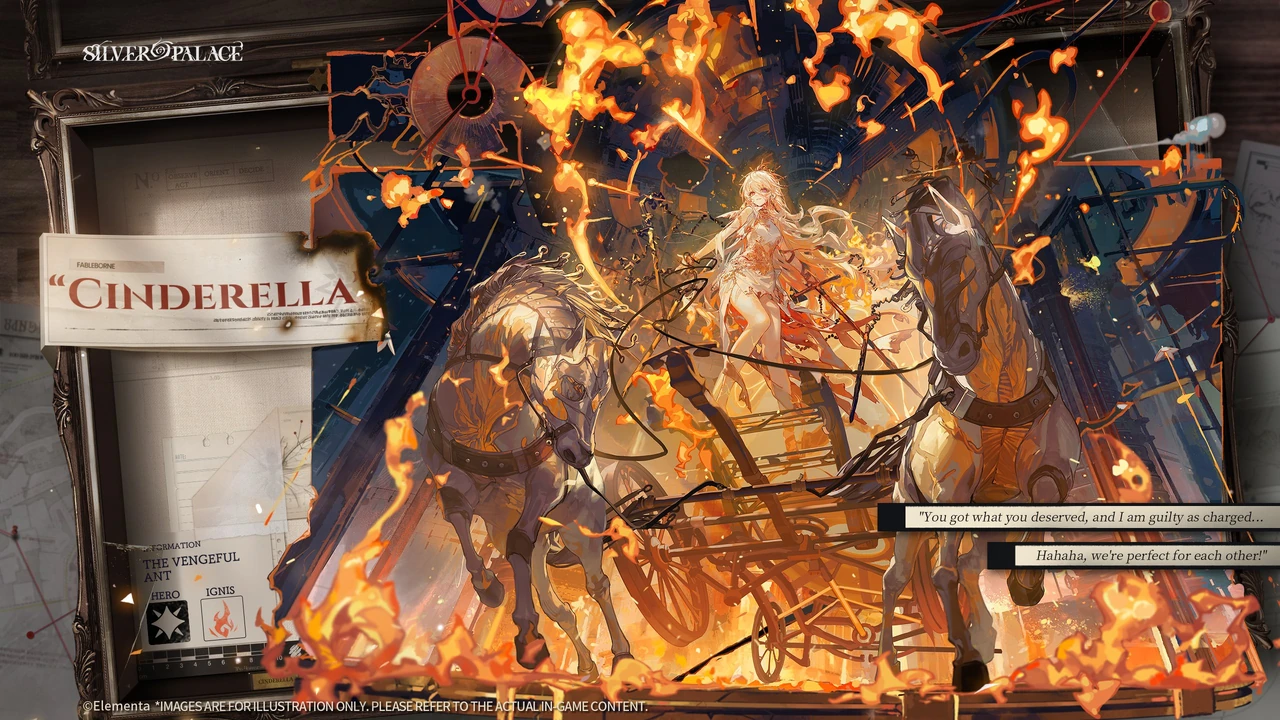
Cinderella (Ashley): The Industrial Princess
Classic Tale vs. Silver Palace Version
| Element | Classic Version | Silver Palace Version |
|---|---|---|
| Name | Cinderella | Ashley (codename: Cinderella) |
| Oppression | Stepmother/sisters | Corporate exploitation |
| Escape | Prince's marriage | Combat prowess, independence |
| Symbol | Glass slipper | High-heeled blade weapons |
| Transport | Pumpkin carriage | Mechanized pumpkin combat vehicle |
| Time Limit | Midnight | Contract expiration |
Ashley's Story
Background:
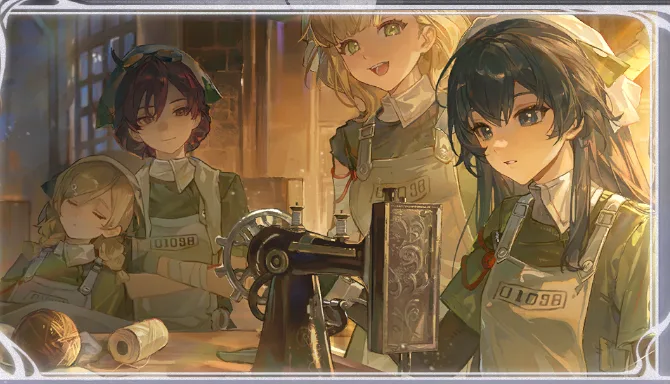
- Born to working-class family in Lower City
- Parents died in industrial accident (Silverium refinery explosion)
- Adopted by wealthy family for labor, not love
- Forced to work in corporate facilities
- Codename "Cinderella" assigned by Corporate Monopolies
The Twist:
Unlike the passive classic character, Ashley is fiercely independent:
- Escaped corporate control through combat skill
- Uses high-heeled blades as weapons (reclaiming feminine symbols)
- Pumpkin carriage is weaponized combat vehicle
- No prince rescues her - she saves herself
Combat Reflections:
| Ability | Fairytale Reference | Combat Function |
|---|---|---|
| Glass Slipper | The iconic shoe | Execute enemies below 15% HP |
| Midnight Strike | Time limit | Massive burst damage ultimate |
| Pumpkin Bomb | Transforming carriage | AoE fire damage |
| Royal Ball | The ballroom scene | Buffs party, elegant combat stance |
Psychological Themes:
- Trauma from parental loss
- Rage at corporate exploitation
- Independence as survival mechanism
- Reclaiming agency over own narrative
Quote (Speculative):
"No prince is coming. The only one who can break these chains... is me."
The Detective: The Author
Meta-Narrative Role
The Detective may be more than a simple protagonist - evidence suggests they are "The Author" who can enter and reshape fairytale worlds.
Evidence for Author Theory
Clue 1: Reality Manipulation
- Detective's Silverium abilities adapt to any situation
- Can access areas others cannot
- NPCs react differently to Detective
Clue 2: Fairytale Access
- Detective enters character-specific "fairytale worlds"
- These may be Silverium-constructed realities
- Detective can influence outcomes
Clue 3: The Quote
"Fate cannot be fought unless you are the author."
- Appears in trailers and promotional material
- Suggests Detective has narrative authority
- Implies other characters are "written"
Clue 4: Character Archetypes
Characters categorized by story roles:
| Archetype | Characters | Narrative Function |
|---|---|---|
| Victim | Cinderella, others | Those suffering injustice |
| Witness | Argos, Cynthia II | Those who observe truth |
| Outlaw | Red Rose, syndicates | Those who break rules |
| Authority | Lorin, Queen Feliana | Those who enforce order |
| Author | The Detective | Those who rewrite stories |
Implications of Author Theory
If True:
- Detective can literally rewrite character fates
- Fairytale worlds are Silverium simulations
- Death may not be permanent for "characters"
- Detective's choices alter narrative reality
Philosophical Questions:
- Do characters have free will?
- Is Detective trapped in own narrative?
- What happens if Author dies?
- Who wrote the Author?
Argos: The All-Seeing Witness
Mythological Reference
Argos Panoptes was a giant in Greek mythology with 100 eyes, making him the perfect watchman.
Silver Palace Interpretation
Background:
- Works as bartender (information gathering position)
- Affiliated with MISS organization
- Multiple "eye" motifs in design
- Knows everyone's secrets
The Twist:
Argos is not a literal hundred-eyed giant but a master information broker:
- Bartender position provides perfect cover
- Listens to all patrons' secrets
- "All-seeing" through network, not anatomy
- Uses knowledge to protect the vulnerable
Combat Reflections:
| Ability | Mythological Reference | Combat Function |
|---|---|---|
| All-Seeing | Panoptes vision | Reveals hidden enemies |
| Night Watch | Eternal vigilance | Energy regeneration for party |
| Healing Cocktail | Bartender profession | Party-wide healing |
| Hundred Eyes | Mythological trait | Multi-target support buffs |
Psychological Themes:
- Burden of knowledge
- Responsibility to act on information
- Loneliness of observer role
- Protection through information control
Quote (Speculative):
"I see everything from behind this bar. Some truths are better left in the glass... but not all."
Lorin: The Ice Queen
Possible Fairytale Connections
Lorin's character may draw from multiple sources:
| Source | Connection | Silver Palace Adaptation |
|---|---|---|
| Snow Queen | Ice powers, cold demeanor | Glacies element, stoic personality |
| Sleeping Beauty | Royalty, awakening | Royal Affiliates, "awakened" to truth |
| Ice Princess | General ice maiden trope | Combat-focused reinterpretation |
Background (Confirmed)
Role: Chief Inspector, Royal Affiliates
- Serves Queen Feliana directly
- "Case bringer" for the Detective
- Ice-based combat abilities
- Stoic, professional demeanor
The Twist:
Lorin subverts the "ice queen" trope:
- Cold exterior hides protective instincts
- Serves system but questions its justice
- Uses ice for protection, not aggression
- Loyal to law, not necessarily crown
Combat Reflections:
| Ability | Fairytale Reference | Combat Function |
|---|---|---|
| Absolute Zero | Snow Queen's power | AoE freeze ultimate |
| Frost Barrier | Ice palace defense | Damage shield + taunt |
| Case Law | Authority position | Party defense buffs |
| Frozen Justice | Ice as judgment | Crowd control |
Psychological Themes:
- Duty vs. personal morality
- Emotional suppression as protection
- Loyalty tested by corruption
- Warmth beneath the ice
Red Rose: The Gothic Vampire
Character Mystery
Red Rose is the most enigmatic character, with unconfirmed element and true nature.
Design Clues
Visual Elements:
- Gothic dancer aesthetic
- Red color scheme (blood imagery)
- Serpentine movement patterns
- Mysterious background
Community Theories
Theory 1: Victorian Vampire
| Evidence | Interpretation |
|---|---|
| Name | Red = blood, Rose = romantic gothic |
| Design | Pale skin, Victorian dress |
| Movement | Inhuman grace, serpentine |
| Reactor Attribute | Possibly dual Fire/Ice (life/death) |
Theory 2: Serpent Monster
| Evidence | Interpretation |
|---|---|
| Movement | Snake-like, fluid |
| Dance | Hypnotic, mesmerizing |
| Symbolism | Serpent = temptation, danger |
| Reactor Attribute | Poison/Gravity (constriction) |
Theory 3: Tragic Human
| Evidence | Interpretation |
|---|---|
| Dancer | Profession, not monster |
| Gothic | Aesthetic choice |
| Secretive | Hidden past, not supernatural |
| Reactor Attribute | Fire (passion, destruction) |
Narrative Role (Speculative)
Red Rose likely represents:
- Femme fatale archetype
- Forbidden knowledge keeper
- Moral ambiguity personified
- Hidden truth about Silverium
Quote (Community Speculation):
"Dance with me, Detective. Some truths are revealed only in the waltz... and some deaths are kisses."
Alf: The Clumsy Maid
Fairytale Connection: Ugly Duckling / Cinderella Variant
Classic Elements:
- Servant position (like Cinderella)
- Overlooked/undervalued
- Hidden strength/potential
- Transformation arc
Background
Role: Detective's personal maid
- Clumsy but loyal
- Gravity manipulation abilities
- Serves out of genuine devotion
- Hides formidable combat skills
The Twist:
Alf subverts the "perfect maid" trope:
- Clumsiness is genuine, not act
- Loyalty earned, not programmed
- Gravity powers reflect "weight" of responsibility
- Maid role is choice, not oppression
Combat Reflections:
| Ability | Maid Reference | Combat Function |
|---|---|---|
| Maid's Duty | Service role | Increased damage to grouped enemies |
| Cleaning Tools | Domestic implements | Weapon choice |
| Gravity Well | "Cleaning up" mess | Pulls enemies together |
| Black Hole | Final cleanup | Massive AoE ultimate |
Psychological Themes:
- Finding strength in perceived weakness
- Service as empowerment
- Clumsiness hiding precision
- Loyalty as choice
The Author Meta-Narrative: Deeper Analysis
What Is the "Author"?
The recurring motif suggests a meta-narrative layer where:
Possibility 1: Literal Author
- Detective is writer
- Characters are fictional creations
- Silvernia is constructed reality
- Story is about Detective writing story
Possibility 2: Silverium Simulation
- Fairytale worlds are Silverium constructs
- Detective can enter/modify simulations
- Characters are AI or trapped consciousness
- "Author" = system administrator
Possibility 3: Psychological
- Detective reconstructs events mentally
- "Fairytale worlds" are deductive exercises
- Characters real, interpretation is constructed
- "Author" = master detective
Evidence Comparison
| Evidence | Supports Literal | Supports Simulation | Supports Psychological |
|---|---|---|---|
| Reality manipulation | ✅ | ✅ | ❌ |
| Character awareness | ❓ | ✅ | ✅ |
| Silverium connection | ❌ | ✅ | ✅ |
| Detective powers | ✅ | ✅ | ✅ |
| Quote about fate | ✅ | ✅ | ❌ |
Most Likely Interpretation
Hybrid Theory:
- Fairytale worlds are Silverium-constructed therapeutic spaces
- Characters are real people processing trauma
- Detective helps "rewrite" their narratives
- "Author" = facilitator of healing
This interpretation:
- Maintains character agency
- Explains Silverium connection
- Preserves emotional stakes
- Fits detective theme
Fairytale Structure in Quests
Quest Design Patterns
Silver Palace quests follow fairytale structure:
| Stage | Fairytale | Silver Palace Example |
|---|---|---|
| Ordinary World | Before adventure | Detective arrives in Silvernia |
| Call to Adventure | Inciting incident | Fatal shot investigation |
| Trials | Three challenges | Three major clues |
| Allies | Helpers appear | Argos, Lorin, etc. |
| Ordeal | Darkest moment | Major revelation/betrayal |
| Reward | Treasure gained | Truth uncovered |
| Return | Home transformed | Justice served, city changed |
Character Arc Patterns
Cinderella's Arc:
- Oppressed worker (status quo)
- Awakens to injustice (call)
- Trains for combat (trials)
- Confronts corporate masters (ordeal)
- Claims independence (reward)
- Becomes protector of others (return)
Detective's Arc:
- Returns to Silvernia (ordinary world)
- Investigates fatal shot (call)
- Uncovers conspiracy (trials)
- Faces personal connection (ordeal)
- Learns Author truth (reward)
- Rewrites Silvernia's fate (return)
Social Commentary Through Fairytales
Class and Power
Cinderella: Corporate exploitation of workers
Alf: Service class dignity and strength
Lorin: Authority's moral complexity
Argos: Information as power
Gender and Agency
Cinderella: Female independence, no prince needed
Red Rose: Feminine power as threat/allure
Lorin: Women in authority positions
Detective: Player choice (male/female)
Industrial Revolution Critique
Silverium: Capitalism's double-edged nature
Factions: Power consolidation critique
Lower City: Working class suffering
Upper City: Elite detachment
Conclusion: Why Fairytales Matter
Silver Palace's fairytale reimaginings serve multiple purposes:
Narrative Depth:
- Familiar stories with fresh twists
- Psychological character development
- Thematic resonance with modern issues
Marketing Hook:
- Instantly recognizable character concepts
- Social media shareability ("dark Cinderella")
- Fan theory generation
Thematic Power:
- Fairytales are about transformation
- Silvernia is transforming
- Characters are transforming
- Detective enables transformation
The Author Message:
"Fate cannot be fought unless you are the author."
This is Silver Palace's core theme: we can rewrite our stories. Whether literal meta-narrative or psychological metaphor, the message is empowering.
Characters break free of their "fairytale" roles:
- Cinderella saves herself
- Argos uses knowledge for good
- Lorin questions authority
- Alf finds strength in service
- Detective... rewrites everything
This is why Silver Palace's fairytale concept resonates: it's about taking control of your own narrative.
Sources
- Official Character Trailers
- Silver Palace Wiki - Characters
- Community theory discussions (Reddit r/SilverPalaceOfficial)
- Beta test character stories and dialogue
Know someone tracking Silver Palace? Send them this.
About the Author
Silver Palace Meta Team
Silver Palace Meta Team
We're dedicated to providing comprehensive coverage of Silver Palace news, updates, and community insights.