Silver Palace Catalyst Attributes: A Fan Reactor Theory
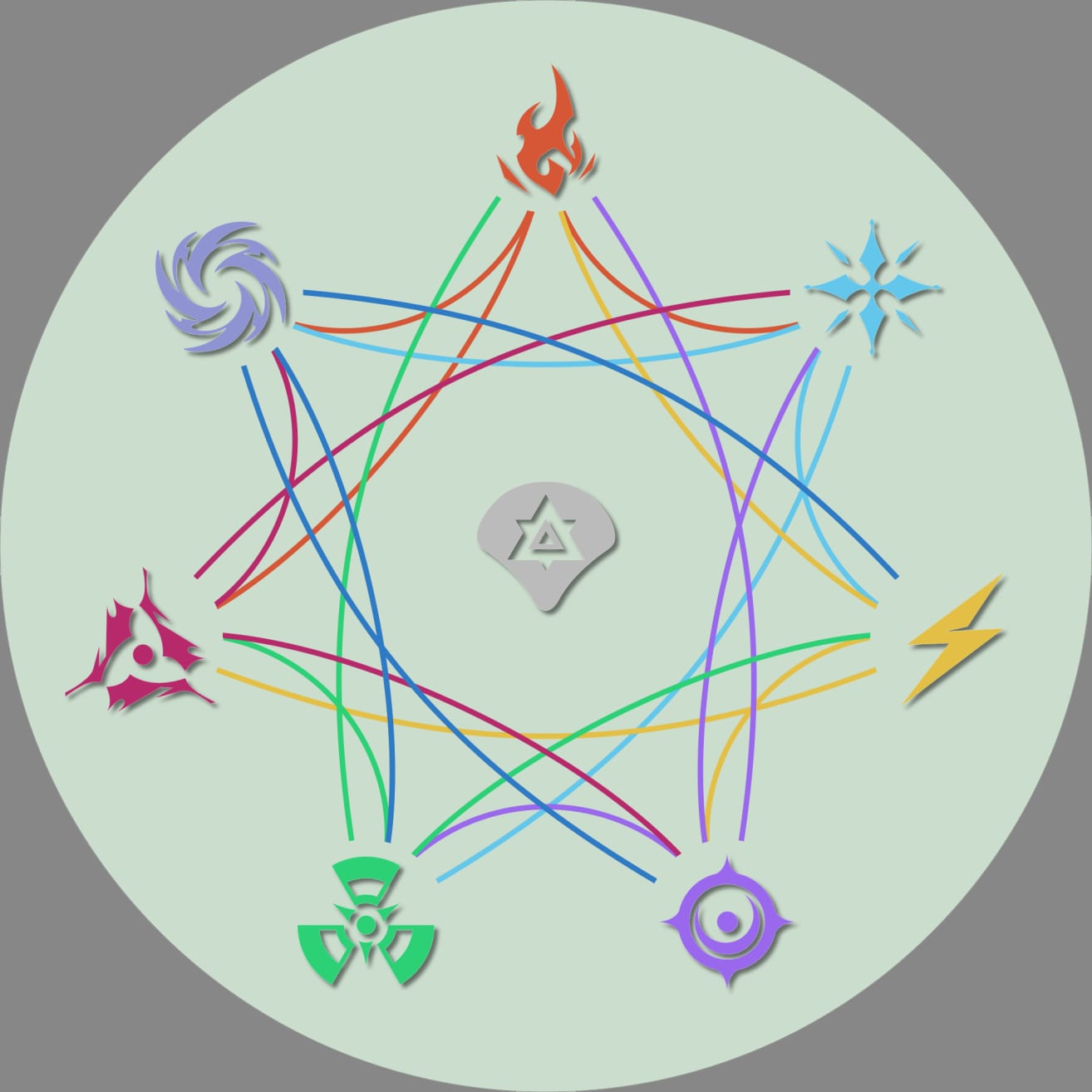
Silver Palace never says how its eight catalyst attributes react to each other. The game tells you what each one converts Silverium into, and beta footage already shows reactors with clearly different looks and colors mounted on different characters, but there's no official chart connecting them. That gap is what one Silver Palace Discord member, going by Marloncha (who also decoded the Silvernia script), set out to fill after a one-line joke from a fellow member ("Silver Studios add Elemental reaction to the reactor catalyst and my wallet is yours") turned into a full attribute interaction wheel.
Everything in this piece is fan speculation, not confirmed lore. Elementa Games hasn't published catalyst matchups or an elemental chart of any kind. What follows is one theorycrafter's interpretation of the in-game flavor text, built the same way you'd reverse-engineer a type chart from item descriptions alone.
Update: Expo preview footage confirms seven of these attributes
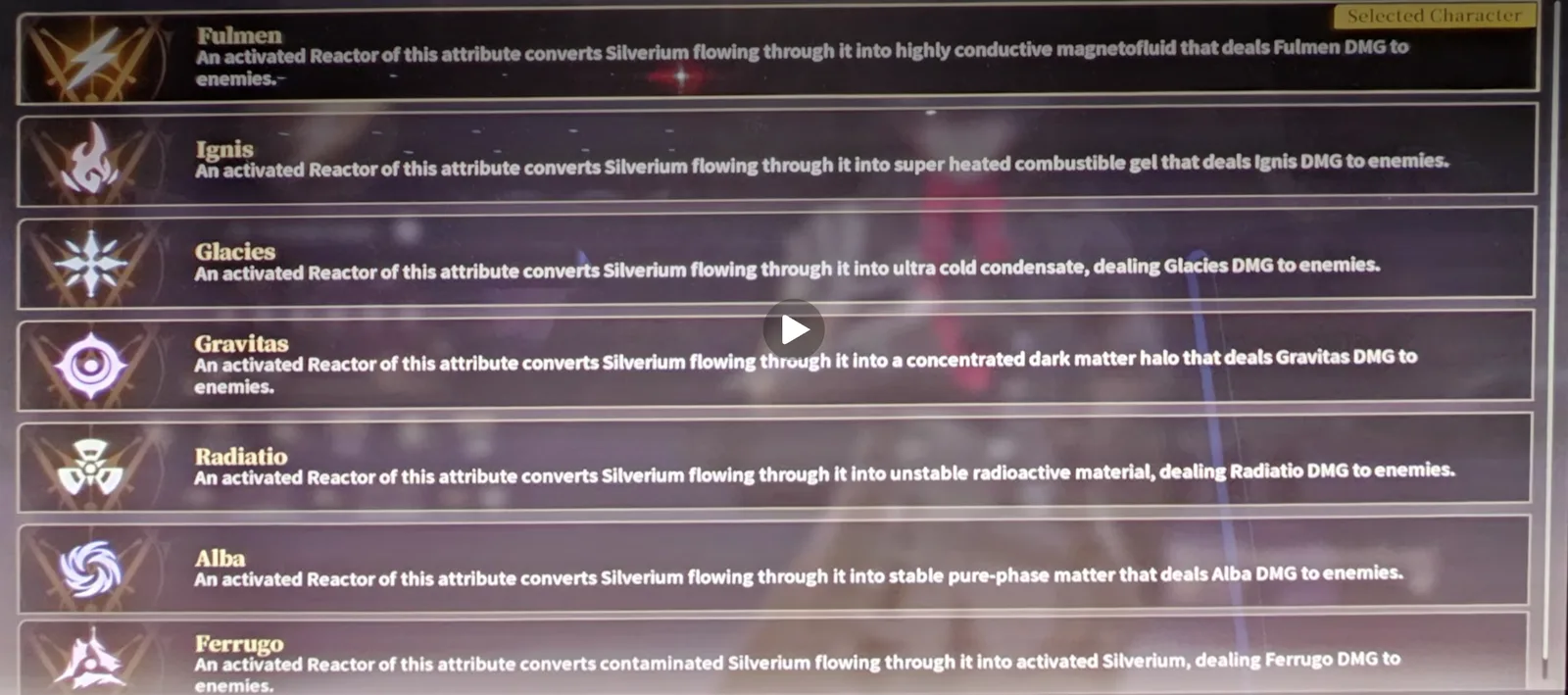
Update (2026-07-07): Expo preview footage of the in-game "Reactor Attribute" detail screen confirms seven of this theory's eight predicted attributes by name and official description, word for word: Ignis, Glacies, Fulmen, Gravitas, Radiatio, Ferrugo, and Alba. Omni doesn't appear on that screen, which lines up with this piece's own read of it as a universal catalyst not tied to any single character's attribute rather than a listed one. The site's character and resonance data has been updated to match this confirmed 7-attribute roster (see the Resonance System guide). Aer (Wind), which older CBT-1-era data on this site had listed as a sixth attribute, does not appear on the official list and has been removed as unconfirmed.
How reactors and catalysts work in Silvernia
Reactors are Silvernia's infrastructure. They power streetlights, chimneys, refrigerators, and motors, essentially anything that needs energy in a city built on Silverium, the malleable liquid metal at the center of the setting's power supply. On its own, Silverium doesn't do much. It's too formless to have a use until something gives it direction, and that's the job of a catalyst.
Catalysts slot into a reactor and convert raw Silverium into a specific type of energy. For a long time, only Silvernia's nobility could afford reactors, which kept the technology locked behind a monopoly. U.M.I. broke that monopoly by mass-producing reactors, putting the same power nobility once hoarded into the hands of anyone who could buy one.
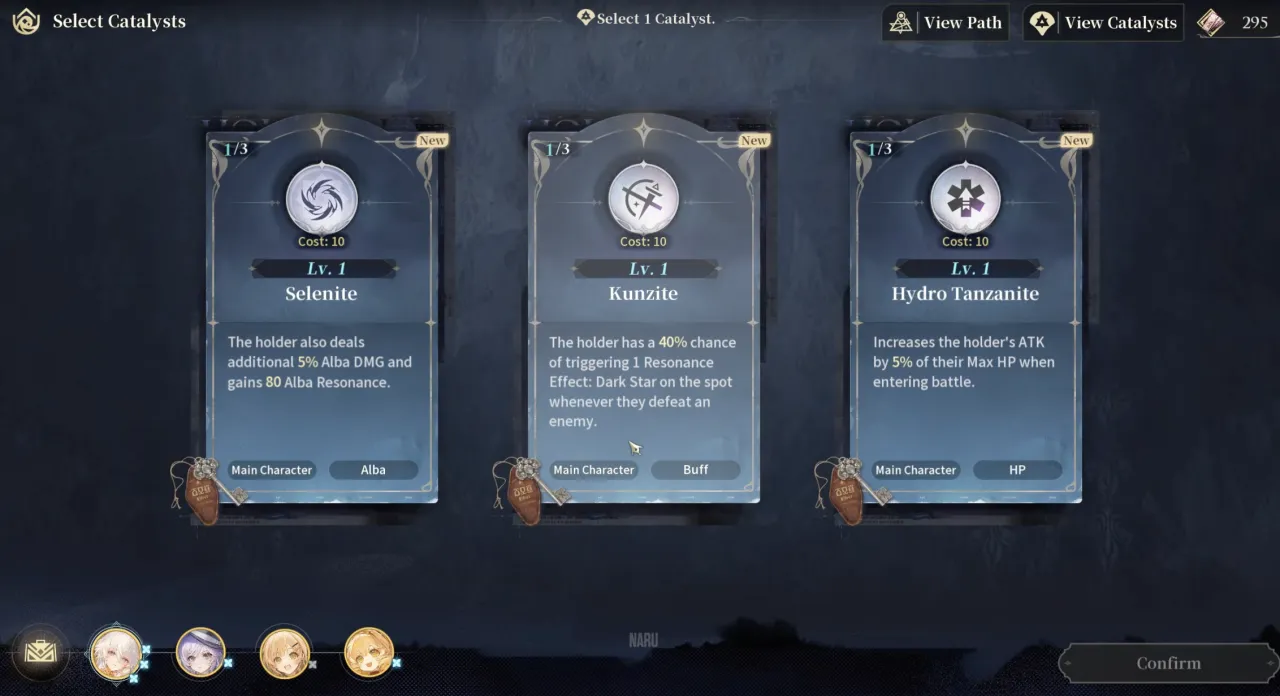
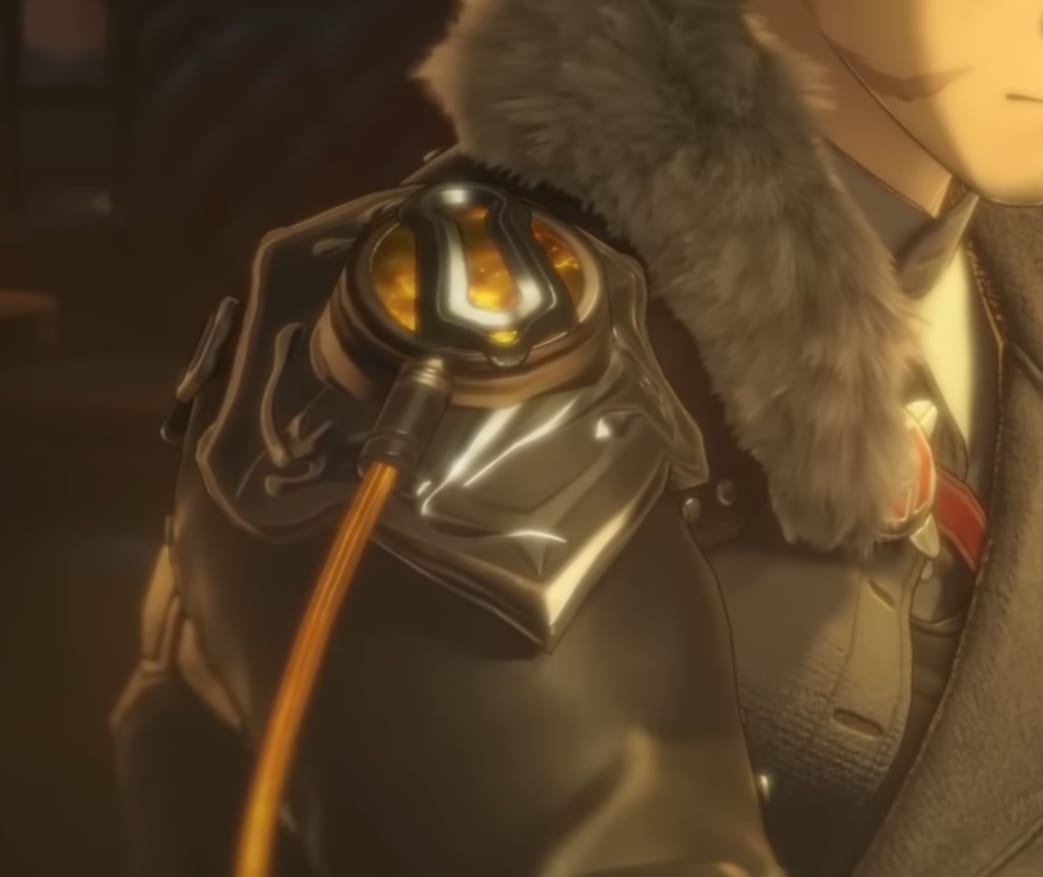
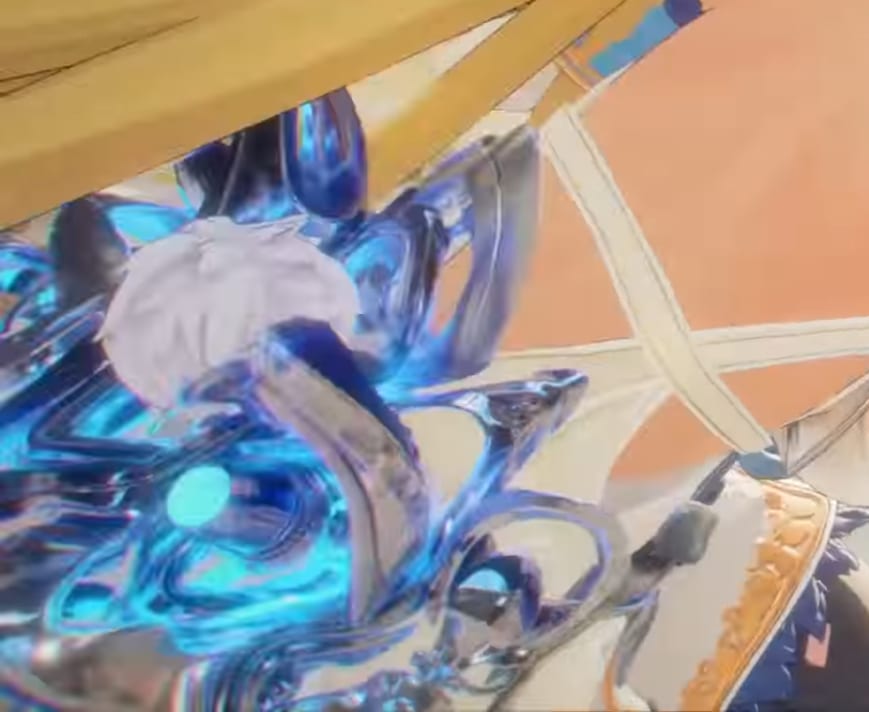
Each reactor can hold up to three catalysts, but every playable character is built around one primary catalyst attribute, the one their kit, weapon, and reactor design all point back to. Beta footage already shows a handful of these in action: a purple reactor mounted on one character's back, a red ammo-belt rig strapped to another's waist, an amber reactor glowing on a shoulder piece, and a blue liquid core embedded in a fourth character's gear.

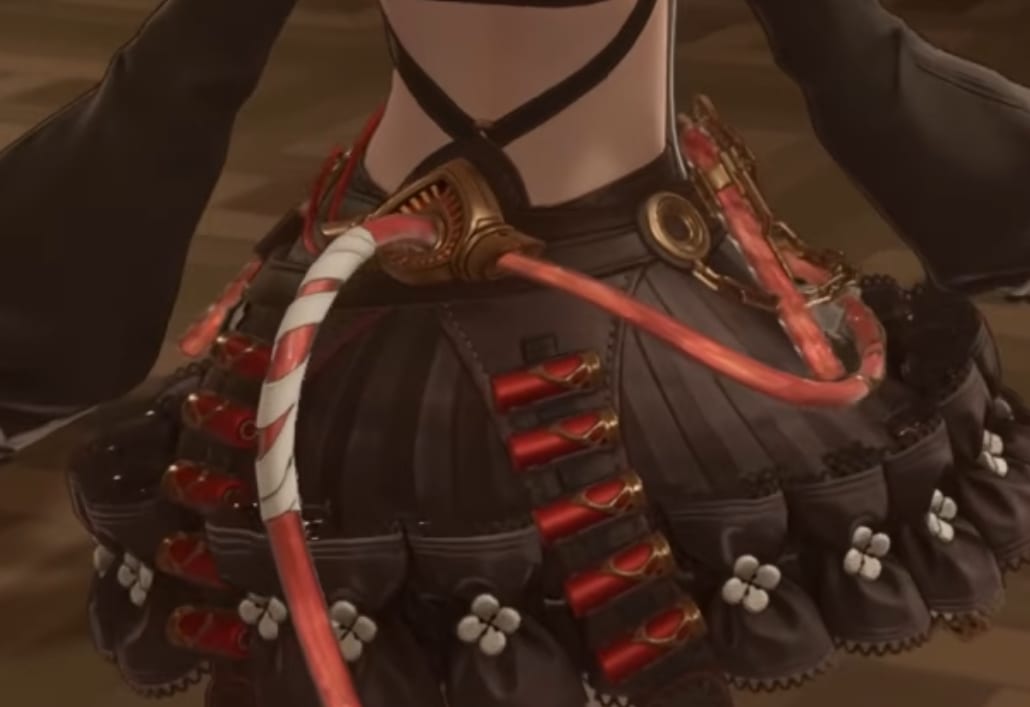
None of these reactors have been officially labeled by attribute. They're the visual evidence a theory like this one has to work from, since Elementa hasn't paired any character's reactor art with a named catalyst attribute yet.
The eight catalyst attributes
Each catalyst's in-game description follows the same template: an activated reactor converts Silverium flowing through it into a specific material. Ignis, for example, reads: "An activated Reactor of this attribute converts Silverium flowing through it into super heated combustible gel." Swap out the output and you get all eight:
| Catalyst | Converts Silverium into | Energy family |
|---|---|---|
| Ignis | Super heated combustible gel | Thermal |
| Glacies | Super cold condensate | Thermal (opposite pole) |
| Fulmen | Highly conductive magnetofluid | Electromagnetic |
| Gravitas | A concentrated dark matter halo | Gravitational |
| Radiatio | An unstable radioactive material | Nuclear |
| Ferrugo | Contaminated Silverium in an excited state | Chemical |
| Alba | Stable pure-phase matter | Radiant |
| Omni | Not restricted to any character's attribute; equippable by anyone | Universal |
Six of those map cleanly onto real fundamental forces. Ignis and Glacies both work thermal energy from opposite ends, Fulmen is straightforward electromagnetism, Gravitas is gravitational energy, Radiatio is nuclear, and Alba reads as radiant energy given its "pure-phase" and stability language. Ferrugo is the outlier, and it's worth dwelling on.
Why Ferrugo is the odd one out
Every other catalyst description just says "Silverium." Ferrugo's says "contaminated Silverium," and that's the only catalyst description in the game that flags its fuel source as impure. Contamination carries a specific set of connotations: something polluted, corrupted, infected, or carrying an unwanted substance. Pair that with what "Ferrugo" itself means (iron rust, oxidation, corrosion, decay) and the attribute reads less like a clean elemental force and more like something that actively degrades whatever it touches.
The distinction between Ferrugo and Radiatio matters here. Radiatio is described as unstable, a violent emission that hazards the surrounding environment. Ferrugo, by contrast, sounds controlled: an excited state that slowly corrodes rather than exploding outward. If Radiatio is a loose cannon, Ferrugo is a slow poison, and that combination of control plus decay is exactly the profile you'd expect from a memorable antagonist's kit rather than an early playable unit. It's a reasonable bet that when Ferrugo does show up on a named character, it's someone built to feel unsettling rather than heroic.
Building a circular counter chart
With the attributes sorted into rough energy families, the natural next step is a rock-paper-scissors style wheel: each attribute beats three others and loses to three others, keeping the matchups balanced. Omni sits outside the wheel entirely. Since it isn't restricted to any character's attribute and can be slotted anywhere, treating it as a jack of all trades that loses to every dedicated attribute keeps the wheel from breaking.
Reading the wheel attribute by attribute:
Ignis beats Glacies by melting frozen structures before they can lock in, Ferrugo by burning corrosion away before it spreads, and Alba by flare distortion that destabilizes light.
Glacies beats Fulmen, since freezing typically kills conductivity, Radiatio by slowing the decay process down, and Alba by crystallizing light until it stops moving entirely.
Fulmen beats Ignis by disrupting the combustion reaction outright, Ferrugo since electrolysis destabilizes corrosion, and Gravitas because magnetic fields interfere with gravity.
Gravitas beats Ignis by compressing heat down to nothing, Glacies by compressing the freeze before it can fully set, and Radiatio by containing radiation inside a gravity well.
Radiatio beats Ignis by mutating fuel and destabilizing heat, Fulmen through ionization chaos, and Ferrugo by overloading the chemical reaction.
Ferrugo beats Glacies by eroding frozen structures from within, Gravitas by eroding containment integrity before it fully compresses, and Alba by corrupting light's purity.
Alba beats Fulmen through non-conductive perfection, Gravitas since dark matter is the literal opposite of light and therefore weaker against it, and Radiatio by purifying radioactive instability.
Where the theory breaks down
The honest problem with any version of this chart is that some matchups are genuinely a coin flip. Ignis and Glacies both act on the same axis, thermal energy, so whichever one reaches its extreme faster should win; there's no real counter-strategy there beyond raw power. The same tension shows up between Alba and Gravitas. Picking a winner in those pairs is closer to a coin flip dressed up as design logic, and changing one matchup ripples out and forces changes everywhere else in the wheel. That's the tradeoff of forcing eight attributes with genuinely different natures into a symmetrical three-beats-three-loses structure: it looks clean, but it papers over the pairs that don't have a clear answer.
None of this is going to match whatever Elementa eventually reveals, if they reveal anything about catalyst interactions at all. But it's a useful lens for watching future character reveals. Every time a new reactor color or catalyst hint shows up in a trailer, it's another data point for refining, or breaking, a chart like this.
TL;DR
A Silver Palace community member built a fan theory mapping all eight catalyst attributes, Ignis, Glacies, Fulmen, Gravitas, Radiatio, Ferrugo, Alba, and Omni, onto real forms of energy (thermal, electromagnetic, gravitational, nuclear, chemical, and radiant), then arranged the seven elemental ones into a rock-paper-scissors style wheel where each beats three and loses to three. Omni sits outside the wheel since any character can equip it. Ferrugo stands out because its description is the only one that calls the Silverium it uses "contaminated," which reads as corrosion or decay rather than a clean elemental force, feeding speculation that it's built for a villain. None of this is confirmed by Elementa Games; it's entirely fan-made from in-game flavor text.
FAQ
What are catalyst attributes in Silver Palace?
Catalysts are components slotted into a reactor that convert raw Silverium into a specific type of energy. There are eight named attributes: Ignis, Glacies, Fulmen, Gravitas, Radiatio, Ferrugo, Alba, and Omni. Each playable character is built around one primary attribute.
Has Elementa Games confirmed elemental interactions between catalysts?
No. As of the current beta, Elementa hasn't published any chart or system describing how catalyst attributes interact with or counter each other. Any wheel or matchup chart, including the one in this piece, is fan speculation.
Why is Ferrugo considered different from the other catalysts?
Ferrugo's in-game description is the only one that calls its fuel "contaminated Silverium," and the name itself translates to rust or corrosion. That combination of impurity and decay sets it apart from the other seven attributes, which all describe clean conversions of ordinary Silverium.
What is Omni in the catalyst system?
Omni catalysts aren't restricted by a character's reactor attribute and can be equipped by any character. Because they're universal rather than specialized, this fan theory treats Omni as weaker than every dedicated elemental attribute rather than including it in the counter wheel.
Can I make my own version of this catalyst chart?
Yes. The original idea behind this theory was explicitly meant as a template for other fans to build their own interaction charts using the same eight catalyst descriptions. Since none of it is official, there's no wrong answer, only different interpretations of the same flavor text.
Know someone tracking Silver Palace? Send them this.
About the Author
Silver Palace Meta Team
Silver Palace Meta Team
We're dedicated to providing comprehensive coverage of Silver Palace news, updates, and community insights.