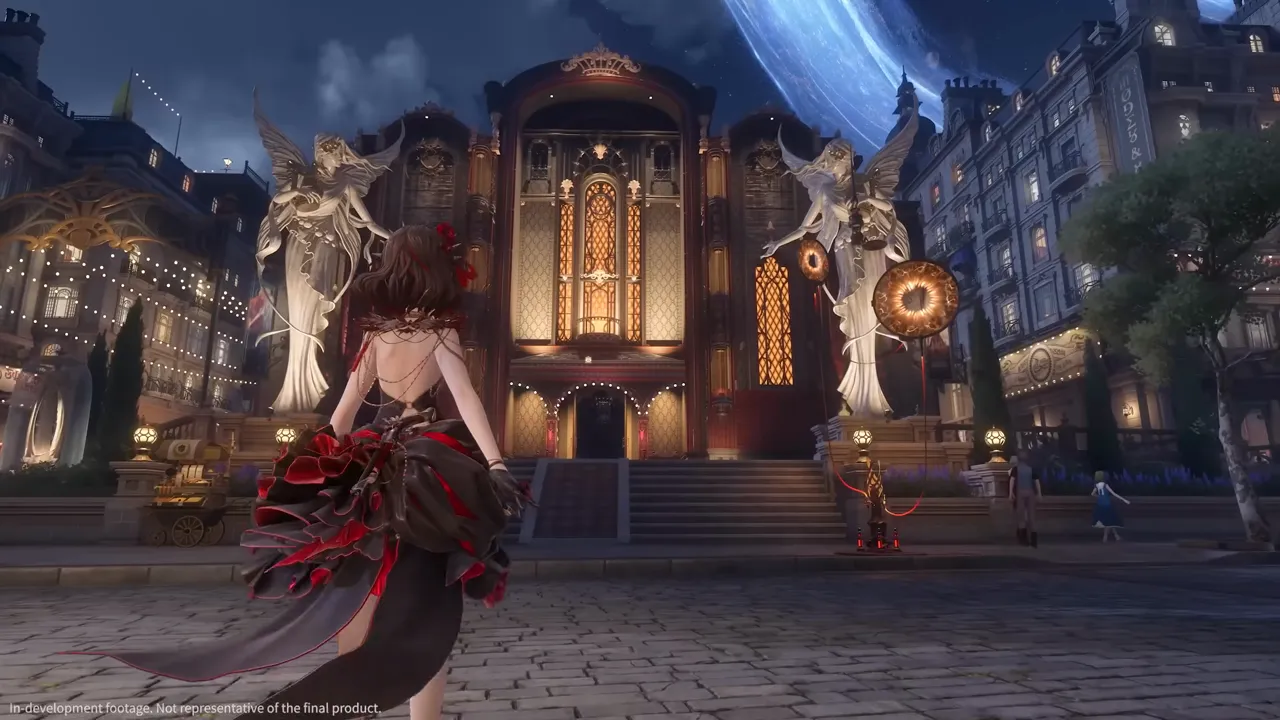
Silver Symbolism in Silver Palace: Biblical & Occult
The name "Silver Palace" is not arbitrary. Across centuries of cultural, religious, and esoteric tradition, silver has carried profound symbolic weight, signifying wealth and divine favor, but also judgment, purification, and the fragile connection between memory and identity. Silver Palace's choice to name its central resource, its city, and its title after this metal is a deliberate act of world-building that layers biblical opulence, occult mysticism, and psychological depth onto its Victorian industrial setting.
This article examines the cultural and symbolic dimensions of silver as they relate to Silver Palace's narrative, offering a framework for understanding the game's deeper thematic architecture.
Biblical Symbolism: Silver and Royal Opulence
The Wealth of Solomon
In biblical tradition, silver is most famously associated with the prosperity of King Solomon's reign. The Book of Kings records that during Solomon's rule, silver was made "as common in Jerusalem as stones" (1 Kings 10:27). This extraordinary abundance served as a measure of the kingdom's successful trade, diplomatic reach, and economic power.
Parallel to Silvernia:
The abundance of Silverium in Silvernia mirrors this historical imagery. Just as Solomon's silver represented a golden age of trade and civilization, Silverium has catalyzed Silvernia's technological renaissance, fueling reactors, enabling personal magic-like abilities, and attracting a diverse population seeking prosperity.
| Biblical Reference | Silver Palace Parallel | Symbolic Meaning |
|---|---|---|
| Silver "as common as stones" (1 Kings) | Silverium powers the entire city | Economic/technological golden age |
| Solomon's silver throne | The Silver Palace as royal seat | Centralized authority and divine right |
| Silver refinement and purification | Silverium reactor refinement | Moral/technological progress and its costs |
Silver as Divine Judgement
Beyond opulence, biblical silver carries a darker dimension. In prophetic literature, silver is used metaphorically to describe both the beauty of a queen and the purification of a nation through trial. The prophet Ezekiel uses silver refining as a metaphor for divine judgment, the metal must pass through fire to be cleansed of impurities.
Narrative Implication:
This metaphor aligns closely with the Detective's arc in Silver Palace. The Detective seeks to "purify" truth from the corruption of the city's industrial and political systems. The "fatal shot" that altered Silvernia's history, the death of the Detective's sibling, and the subsequent trauma all function as the fire through which truth must be refined.
Theory: The "Golden Age of Detectives" may be an ironic parallel to Solomon's golden age, an era of apparent prosperity that masks underlying corruption requiring purification through investigation and truth-seeking.
The Tongue of the Righteous
Proverbs 10:20 states: "The tongue of the righteous is choice silver." This connects silver to speech, testimony, and moral authority, all central themes in Silver Palace's detective narrative.
The Detective's core philosophy of rationalism and clear communication can be read through this lens: the "tongue of the righteous" is the investigator who uses words and logic to navigate a world of illusions. Every clue the Detective uncovers is a piece of testimony, and the game's narrative tension hinges on the fact that witnesses often die before their testimony is taken.
Occult and Esoteric Symbolism
The Silver Thread
In occultism and consciousness research, the "Silver Thread" (or "Silver Cord") represents the ethereal connection between an individual's origin point and their end. This concept appears in various esoteric traditions:
- Ecclesiastes 12:6 references the "silver cord" being loosed as a metaphor for death and the dissolution of the soul's connection
- Theosophical traditions describe the silver cord as the tether between the physical body and the astral self
- Modern consciousness research has used "silver palace" imagery to describe ancestral memory structures and dissociated psychological spaces
Silver Palace Connection:
This concept is highly relevant to the Detective's journey. The Detective returns to Silvernia (their place of origin) to find resolution to traumatic past events. The Silver Thread metaphor suggests that Silvernia itself may function as a psychological construct: a "palace of glass" representing ancestral memories that the Detective must navigate to uncover hidden truth.
| Occult Concept | Silver Palace Application |
|---|---|
| Silver Thread (origin-to-end connection) | Detective returns to Silvernia to resolve past trauma |
| Palace of glass (ancestral memory) | Silvernia as a construct of layered history and conspiracy |
| Dissociated spaces | The fairytale/fable boundary blurring in Silvernia |
| Astral tether | The Author's ability to reshape narrative reality |
The Palace of Glass
The imagery of a "palace of glass" appears in occult psychology as a representation of ancestral memory, a transparent structure where past and present coexist, and where dissociated areas of consciousness can be accessed and integrated.
Interpretation for Silver Palace:
If Silvernia functions as a "palace of glass" (a construct within a fairytale world rather than a physical city) then the Detective's investigation becomes a journey through dissociated psychological spaces. The "hidden programming" and conspiracies the Detective uncovers may represent repressed memories or fabricated narratives that the Author must rewrite to achieve genuine resolution.
Unconfirmed: The "Author" meta-narrative (where the Detective holds a closed book while seated on a throne) strongly supports the interpretation that Silvernia is a narrative construct. The Detective doesn't just find the truth; they rewrite it.
Psychological and Cultural Layers
Silver as Memory and Truth
Across cultural traditions, silver is associated with the moon, reflection, and the subconscious, qualities that align with Silver Palace's themes of memory, trauma, and truth-seeking. Unlike gold, which represents the sun and conscious authority, silver operates in the realm of reflection and introspection.
The Detective as Silver:
The Detective's characterization reinforces this symbolism:
- Rational and clear-minded: silver as reflective clarity
- Haunted by past trauma: silver as the memory keeper
- Raven motif: the raven as messenger between conscious and unconscious realms
- Author of Fate: silver as the medium through which hidden truth is made visible
Industrial Silver and the Dark Side of Progress
Silver Palace also engages with the darker cultural history of silver: its role in colonial extraction, economic exploitation, and the environmental costs of mining. The industrialization of Silverium in Silvernia parallels these historical realities:
- Corporate monopolies control Silverium distribution, mirroring historical silver cartel dynamics
- Underground syndicates traffic in black-market Silverium, reflecting the shadow economy of precious metals
- Environmental decay at the city's periphery reflects the ecological costs of resource extraction
- The "splendor and decay" dichotomy: Silvernia's industrial prosperity built on systemic exploitation
This duality (silver as both purity and judgment, prosperity and exploitation) is the emotional core of Silver Palace's thematic design.
Fairytale Subversion and Symbolic Inversion
Cinderella's Slipper as Silver
The Cinderella boss encounter represents the ultimate subversion of silver symbolism. In the original fairytale, the silver slipper is an object of recognition and hope, the key that identifies the rightful heir to prosperity. In Silver Palace, this symbol is transformed into a weapon of domination and humiliation.
Symbolic Inversion:
| Original Symbol | Silver Palace Subversion |
|---|---|
| Silver slipper (hope, recognition) | High heel stomp (violence, humiliation) |
| Fairy godmother (benevolent magic) | Industrial incinerator (technological violence) |
| Royal wedding (happy ending) | Train crash (catastrophe) |
| Glass slipper (transparency, truth) | Playing with Fire motifs (destruction, secrets) |
This inversion is consistent with Silver Palace's broader thematic approach: taking familiar symbols and reimagining them through the lens of industrial violence and systemic corruption.
The Author and the Written Silver
Silver as the Medium of Writing
Historically, silver has been associated with writing and recording, from silver styluses used in ancient manuscripts to the phrase "written in silver" denoting permanence and value. In Silver Palace, the Detective's role as "Author" connects to this tradition:
- The Detective holds a closed book while seated on a throne, the unwritten narrative
- Player choices carve the Detective's destiny: the act of writing fate
- The meta-fictional framing suggests Silvernia exists as a narrative construct: a book being written in real time
Theory: The "Silver Palace" may literally be a book, a fairytale world where the Detective has the unique power to rewrite the narrative. Silverium, then, becomes the ink through which reality is inscribed.
FAQ
Is the biblical symbolism intentional?
While the developers have not explicitly confirmed biblical references, the alignment between Silver Palace's themes and traditional silver symbolism is too consistent to be coincidental. The game's emphasis on purification, royal opulence, and the "tongue of the righteous" all map directly to biblical silver imagery.
What is the Silver Thread, and is it in the game?
The Silver Thread is an occult concept referring to the ethereal connection between origin and end. While not explicitly confirmed as a game mechanic, the concept strongly parallels the Detective's journey of returning to Silvernia to resolve past trauma. The "Author" meta-narrative reinforces this connection.
Does silverium have a real-world counterpart?
Silverium is a fictional element, but its narrative function parallels historical precious metals, particularly silver, which served as the backbone of ancient economies and drove colonial exploration. The game's themes of resource exploitation mirror the real-world history of silver mining and trade.
How does the fairytale symbolism connect to the lore?
Silver Palace takes classic fairy tale symbols and inverts them through industrial violence and systemic corruption. Cinderella's slipper becomes a weapon, the fairy godmother's magic becomes industrial technology, and the "happily ever after" becomes an unsolved mystery. This subversion is central to the game's thematic identity.
Is Silvernia a real city or a narrative construct?
This remains unconfirmed. The "Author" meta-narrative, combined with the occult symbolism of the Silver Thread and Palace of Glass, strongly suggests that Silvernia may function as a narrative or psychological construct. The Detective's ability to "rewrite fate" supports this interpretation. However, official sources have not confirmed this reading.
Conclusion
The symbolism of silver in Silver Palace operates on multiple interconnected levels, biblical, occult, psychological, and industrial. Far from a simple aesthetic choice, the naming convention anchors the game's thematic exploration of truth, memory, and the costs of progress.
The biblical associations with royal opulence and divine purification mirror Silvernia's industrial golden age and the Detective's quest for truth. The occult Silver Thread and Palace of Glass imagery align with the Detective's return to origin and the meta-narrative Author mechanic. The psychological association of silver with reflection and the subconscious reinforces the game's themes of trauma, memory, and hidden programming.
Together, these layers create a symbolic framework that elevates Silver Palace beyond conventional gacha RPG world-building. The city of Silvernia is not just a setting: it is a symbol-rich construct where every reference to silver carries the weight of centuries of cultural meaning.
Key Takeaways:
- Biblical silver symbolism (Solomon's wealth, divine purification, righteous speech) maps directly onto Silvernia's themes of industrial opulence, truth-seeking, and the Detective's moral authority
- Occult concepts like the Silver Thread and Palace of Glass parallel the Detective's return to origin and the meta-fictional Author mechanic
- Silver's association with the moon, reflection, and subconscious reinforces the game's focus on memory, trauma, and hidden truth
- The Cinderella fairytale subversion inverts silver symbolism, the slipper becomes a weapon, hope becomes violence
- The Author mechanic may suggest that Silvernia itself is a narrative construct, with Silverium serving as the "ink" through which reality is written
Sources
Know someone tracking Silver Palace? Send them this.
About the Author
Silver Palace Meta Team
Silver Palace Meta Team
We're dedicated to providing comprehensive coverage of Silver Palace news, updates, and community insights.