Grimm: Who Actually Is He?
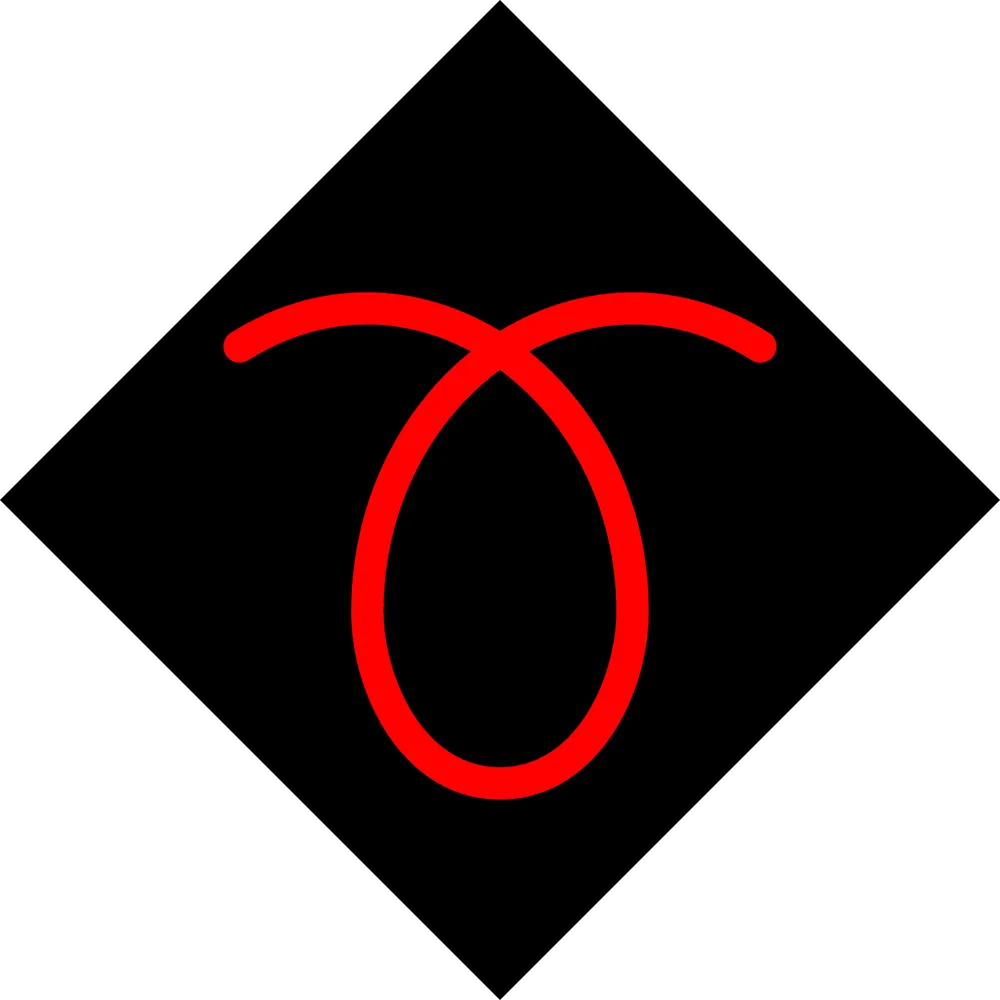
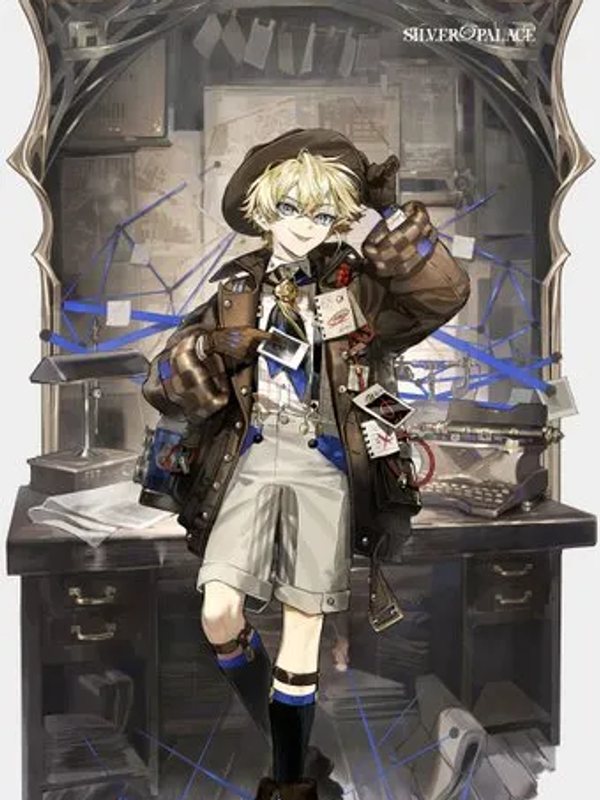
Pause the "Black Knights' Tango" trailer for the Silver Palace Dichotomy Beta Test at roughly 1:19 and you'll catch something easy to miss on a first watch. A young man in a fedora and a plaid coat corners Cinderella and the Detective in an alley, snaps a photo with a battered camera, and growls something close to "You killed the Queen and dare to come back?" right before the scene turns violent. This is Grimm, the journalist the site's own name origins piece already covers: his official character art shows exactly this look, a young blond man in a fedora and leather coat, and his journalist title page confirms the rest of the profile. What isn't confirmed yet is what the frame is packed with detail to argue about: a red-and-black symbol stitched to his coat, a tag stamped U.M.I., and a coat covered in photographs tied down with red string.
So what does the symbol tell us about who Grimm really is? Taken one detail at a time, the coat points to three different theories about him, and lining them up against each other in order gets you closer to an answer than any single detail does on its own.
Start with the symbol
Everything else about Grimm gets read through this patch first, so it's worth working out what it could actually mean before moving on to the rest of his outfit.
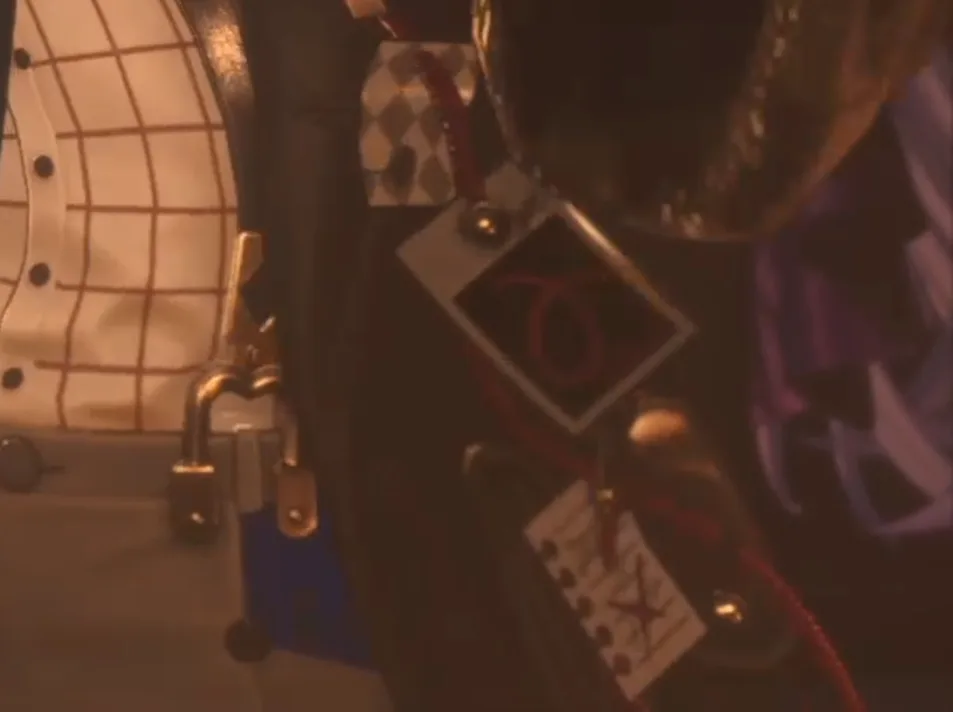
Animal horns. The shape reads as a curved cross topped with two flaring horns, and horned imagery has a long history tied to cults, occultism, and protection depending on who's drawing it. Curled horns on a human figure show up across cultures as a mark of hidden or forbidden knowledge as often as divine status, and the same silhouette gets used in modern occult and secret-society iconography specifically because it splits the difference between protection and menace. If that's the intent here, it's a hint that Grimm has some connection to a cult or secret organization, whether he's protected by one or hunting one.
The Greek letter gamma. The same shape resembles the lowercase Greek letter gamma (ɣ or ɤ), and gamma has a second life outside the alphabet in fields like photography and optics, gamma correction being the most direct link to a guy who carries a camera everywhere. Read this way, the symbol isn't about faction or occult ties at all. It's a mark of his trade, stitched onto his coat the way a guild badge would be.
Aries or Taurus. The shape also lines up with the zodiac symbols for Aries or Taurus, both of which represent horned animals, the ram and the bull. Either one leans toward power, personality, or something supernatural rather than a faction or a job. Aries reads as drive and assertion; Taurus reads as stubbornness and raw strength. Neither is a clean match for a street photographer, which is exactly why this reading points somewhere stranger than the first two.
None of the three cancels out the others, and the game hasn't confirmed any of them. But each one lines up with one of the three theories below, which is a good sign the symbol is meant to be read three ways at once rather than one.
Theory one: he investigated a cult or secret organization tied to U.M.I.
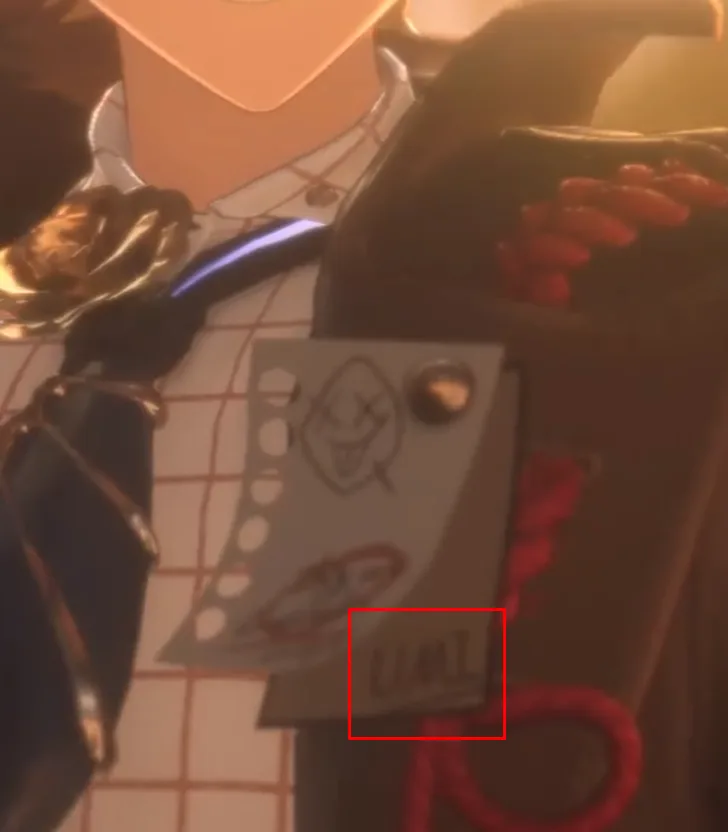
Follow the horns-and-occult reading of the symbol and the rest of his outfit backs it up. A small metal tag pinned beneath a torn, doodled notepad on his chest is stamped U.M.I., and the letters aren't subtle: they're the first thing your eye lands on after the symbol itself. If he's spent time around a cult or a secret organization, the most direct route into that story is U.M.I. itself. Maybe he joined them and is only now getting out. Maybe he spied on them long enough to get made. Maybe he photographed something they didn't want photographed, and that photograph is exactly what put him in this alley. Any of those would explain why a coat that already reads as protective or occult in nature also happens to carry the initials of a specific organization stitched right onto it.
Theory two: he's a professional or independent photographer
Strip the symbol out of the picture entirely and the rest of him reads as a job description. The camera, the clothing, and the way he moves, ducking into an alley, snapping a shot, and running before anyone can grab him, all point toward a paparazzo, a journalist, or an independent investigator who digs up secrets for whoever's paying.
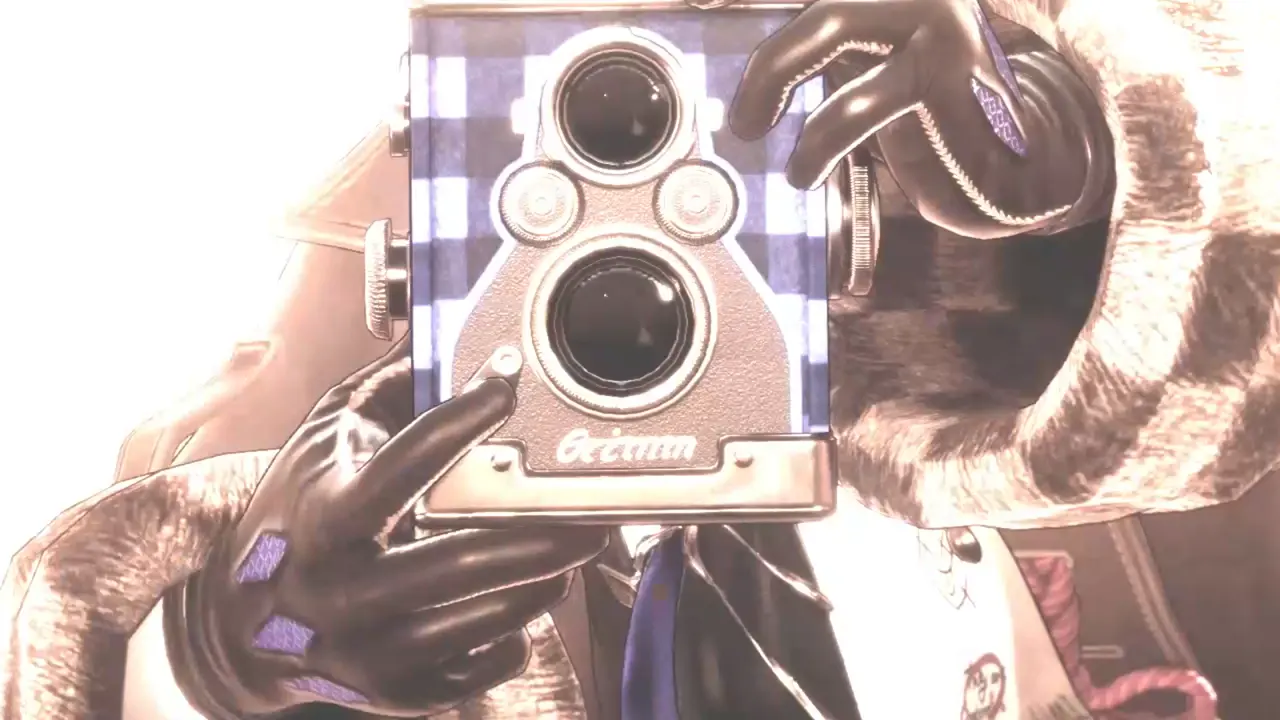
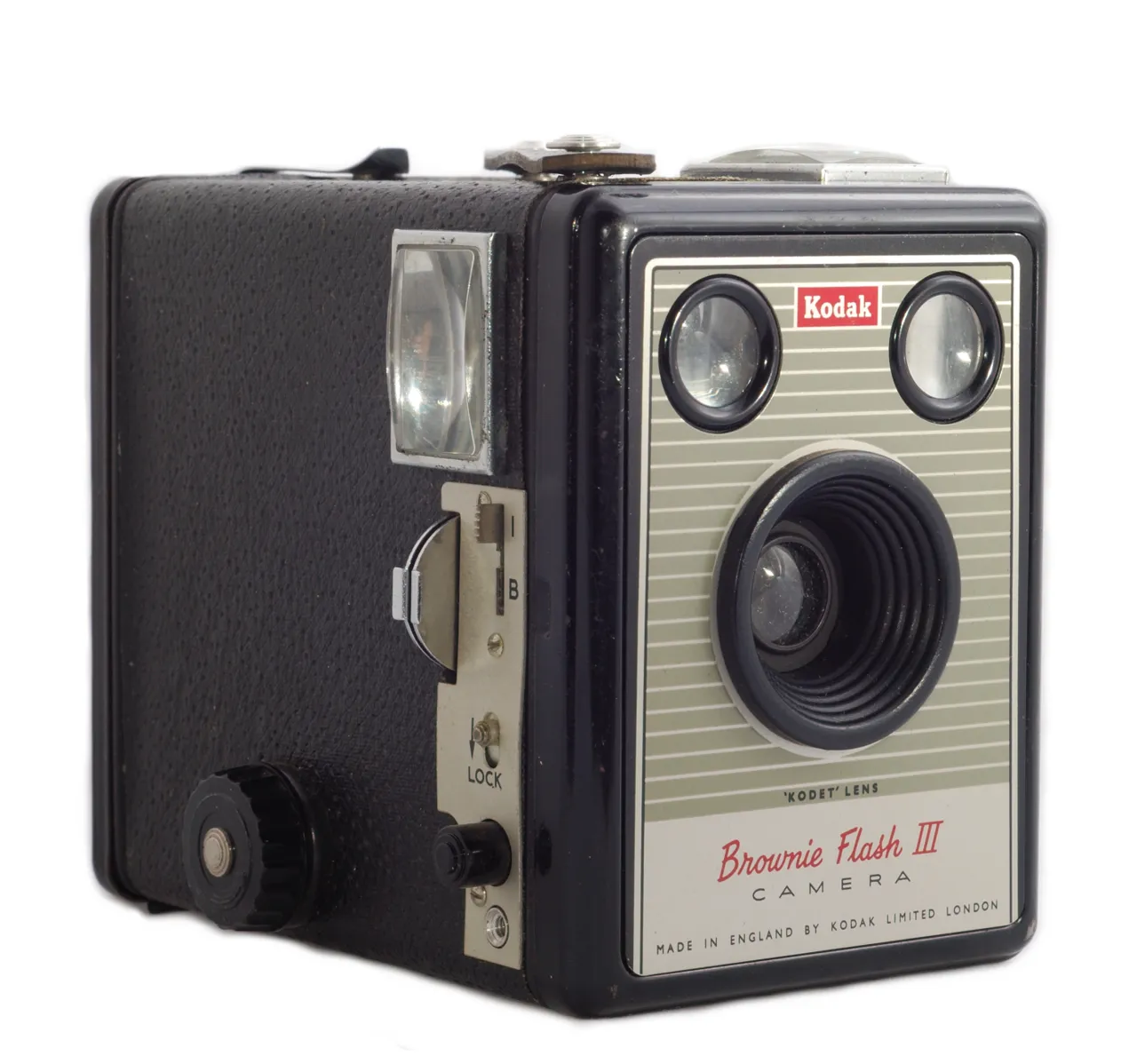
The camera itself supports the read. It's a boxy, twin-lens design, and real camera history gives it some grounding: the daguerreotype process showed up in 1839, but portable, actually-public photography didn't take off until Kodak's Brownie line launched in 1900, the first camera built around a quick, spontaneous "snapshot" instead of a slow studio process. The reference below, a later Brownie Flash III, has that same boxy body and dead-simple controls that let anyone, not just a trained studio photographer, grab a usable photo on the spot.
Someone confident enough to nail a clean, unblurred shot mid-confrontation in a dim alley reads like a guy who's used a camera for years, not someone who picked one up for a single job. That's the profile of a working photographer chasing a story, whether he's doing it for a paper, for himself, or for whoever pays him to dig.
Theory three: he and his camera are supernatural
The most speculative version of the theory leans on the zodiac-power reading of the symbol and asks a bigger question: what if the camera itself isn't ordinary? The idea goes that a higher being gave him an indestructible camera, one that survives whatever eventually happens to him, and that after his death his spirit lives on inside it, helping whoever finds it solve mysteries he never got to close himself.
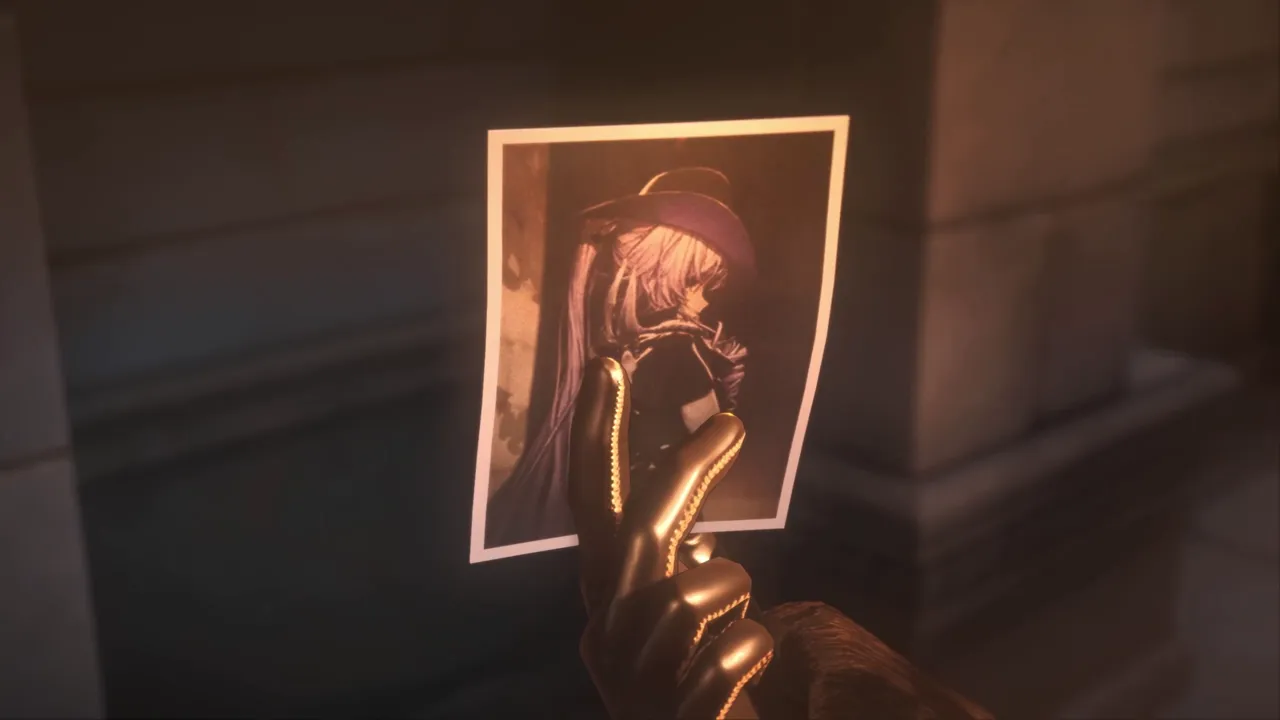
There's a small detail feeding this reading: the photo he holds up seconds after taking it is sharp, evenly exposed, and free of motion blur, despite being shot in a dim alley with someone about to attack him. That's a meaningfully better result than a real period camera could reliably deliver, which either means the in-universe camera is doing more than it looks, or he's simply that good at his job. This is the theory with the least to stand on. It's fun to consider, but it's also the one furthest from anything the trailer actually confirms.
The more grounded read: an evidence board on his coat
Here's where the theory gets pulled back down to earth, and where confirmed lore actually backs it up. Look past the symbol and the U.M.I. tag entirely and focus on the red string tying a second photograph to his coat, visible on his back as he turns to run, sitting right alongside the one he just took of Cinderella and the Detective. Red string connecting photographs is the visual shorthand for an investigation evidence board, clue nodes strung together into a chain that eventually cracks a case. That's a much less exotic explanation than a cursed camera or a cult initiation. It just means he's someone piecing a case together the old-fashioned way, one photograph at a time, and the picture he just took in the alley is only the newest addition to a board that already existed before this scene started.
This reading isn't just plausible, it's confirmed by Grimm's own in-game Identity. The Character Identity roster lists his Identity as Witness, defined in the game's own codex as "one who observes, witnesses, records, and narrates everything to pass the story on." A coat built out of an evidence board is exactly what that archetype looks like stitched onto clothing.
Recap: who is Grimm, really?
Put all of it in order and a clearer picture forms. The symbol on his coat plausibly reads three ways at once: horns tied to cult or protective imagery, a gamma shape tied to his trade, or a zodiac glyph tied to power or something supernatural. The U.M.I. tag and torn notepad point toward theory one, that he's been investigating a cult or secret organization connected to U.M.I., close enough to have joined them, spied on them, or photographed something that got him noticed. The camera, his clothing, and his practiced hand point toward theory two, that he's a professional or independent photographer, a paparazzo, journalist, or hired investigator digging into secrets. Theory three, that he and his camera are supernatural, that a higher being gave him an indestructible camera and his spirit might live inside it after death, is the most speculative piece of the whole picture and the one the trailer supports the least.
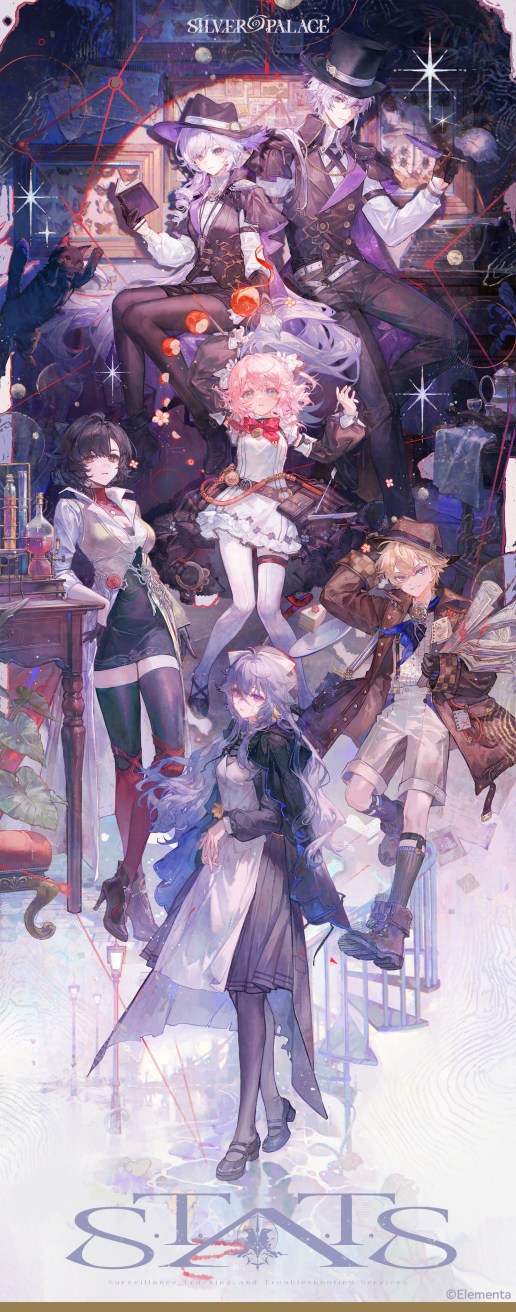
The red string tying photographs to his coat is what ties the first two theories together instead of leaving them competing, and Grimm's confirmed Witness Identity backs that read up directly. It reframes him less as a professional operative and more as an enthusiast or independent investigator, someone building his own evidence board out of a personal obsession rather than working an official case. Put simply: Grimm probably isn't just a random kid taking photographs. His coat, his camera, and the symbol stitched onto both suggest he'd been investigating a bigger conspiracy, likely tied to whatever the U.M.I. tag represents, and that whatever he found was serious enough to put a target on his back. That part actually lines up with confirmed lore: the story recap covers exactly this, a case that opens with Grimm found burned to death in an alley, in a manner matching the Nameless Ashes, only for the investigation to reveal the whole thing staged. Grimm coats a substitute corpse in a fireproofing agent, fakes his own burning to escape whoever wanted him silenced, and hides his notebook in the one place no one would think to look, the Detective's own office, evidence that later renames the case the Cinderellas. He isn't killed for digging too deep. He fakes his death to survive it. The rest, the exact meaning of the symbol and whether the U.M.I. tag points to anything beyond his confirmed S.T.A.T.S. faction, is still up for debate.
FAQ
What does the symbol on his coat mean?
It has at least three plausible readings: animal horns tied to cult or occult imagery, the lowercase Greek letter gamma tied to photography, or the Aries or Taurus zodiac glyph tied to power or something supernatural. None of these are confirmed in-game, and the shape doesn't rule any of them out.
Is the U.M.I. tag proof he worked for or against a cult?
No lore source confirms it either way. Grimm's only confirmed faction is S.T.A.T.S. (Surveillance, Tracking, and Troubleshooting Services), per his journalist title page and the Silvernia factions guide. The U.M.I. tag is a trailer-only detail with no confirmed tie to a cult, a secret organization, or U.M.I. itself beyond what the coat shows.
Is Grimm a professional photographer or an independent investigator?
The evidence board reading, red string tying photographs together on his coat, leans toward an enthusiast or independent investigator piecing together his own case, and it lines up with his confirmed Witness Identity, "one who observes, witnesses, records, and narrates everything to pass the story on."
Is the supernatural camera theory likely?
It's the most speculative of the three theories. The camera producing an unusually sharp, well-exposed photo mid-confrontation is the only detail feeding it, and that's just as easily explained by him simply being skilled with the camera.
Does Grimm actually die in Silver Palace?
No. The story recap confirms his death is staged: he coats a substitute corpse in a fireproofing agent, fakes the burning to escape whoever wants him silenced, and hides his notebook in the Detective's office, evidence that later reopens the case as the Cinderellas.
Know someone tracking Silver Palace? Send them this.
About the Author
Silver Palace Meta Team
Silver Palace Meta Team
We're dedicated to providing comprehensive coverage of Silver Palace news, updates, and community insights.