Monotype vs Dichotomy: What Changed in CBT2
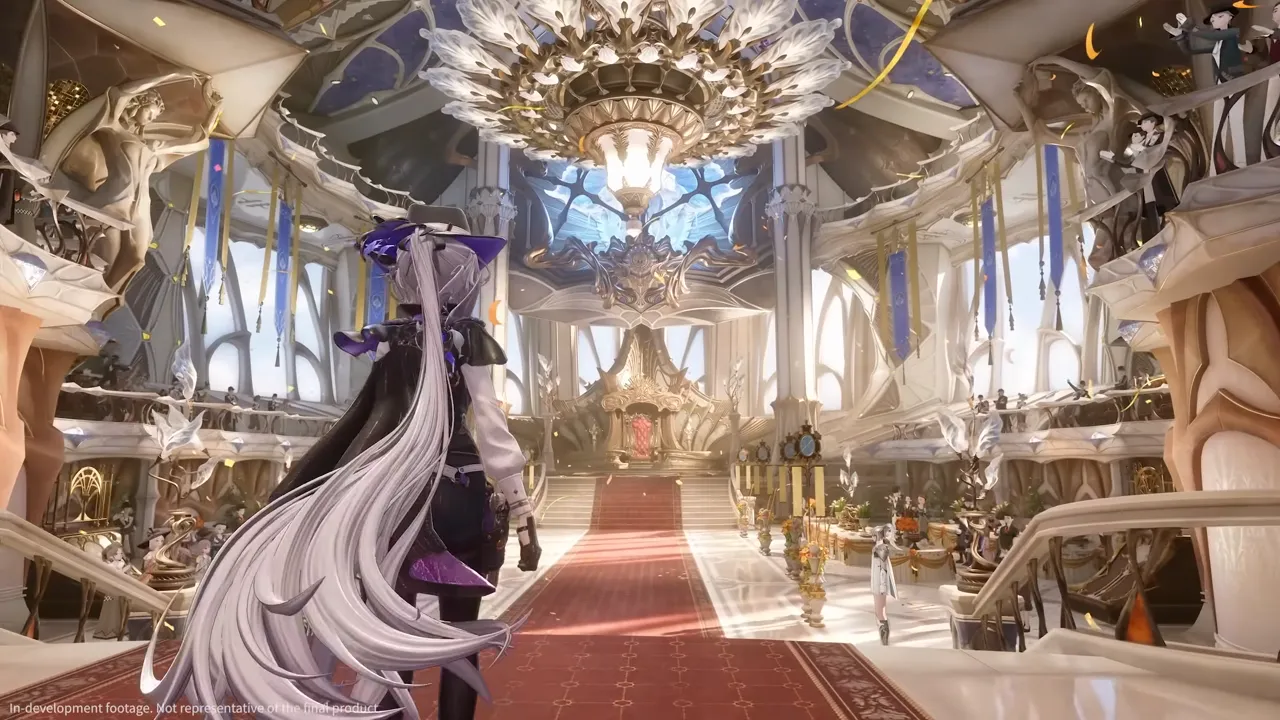
Silver Palace has now run two closed beta tests. Monotype ran January 13 to 18, 2026: five days, seven characters, one slice of Silvernia. Dichotomy started July 23, 2026 and runs to August 13: three weeks, 15 characters, over 40 hours of content, and several systems that simply did not exist six months ago.
This is the side-by-side. What grew, what was rebuilt, and what carried over untouched.
The short version
| Monotype (CBT1) | Dichotomy (CBT2) | |
|---|---|---|
| Dates | January 13 to 18, 2026 | July 23 to August 13, 2026 |
| Length | 5 days | 3 weeks |
| Content | Focused vertical slice | Over 40 hours |
| Platform | PC (Windows) | PC (Windows) |
| Protagonist | Female Detective only | Male or female Detective |
| Playable characters | 7 | 15 (8 debuts) |
| Combat | Parry, dodge, stun gauge, executions | Adds stamina management, reworked stun buildup, combat-assist |
| Investigation | Eye of Insight, clues, Evidence Board | Adds structured interrogation with trait chart |
| Minigames | Limited | Chess, blackjack, Scarlet Gambit, surgery, horse racing |
| Map | Urban slice | Previously locked districts opened |
| Endgame | Thought Experiment, Case Simulation | Carried forward |
| Dailies | Agenda with rotating daily tasks | Agenda plus a City Records progression track |
| Stamina | One pool | Two pools, Vitality and City Affairs |
| City economy | Real Estate Investment | City Property, City Affairs, Info Exchange, Popularity |
Protagonist: one became two
The single most requested change after Monotype was the male Detective, and Dichotomy delivers it. You now choose at the start of the game, and both leads are fully playable rather than one being a reskin of the other.
The two carry different banners. The male build is The Raven's Beak; the female build, Munin, is The Raven's Claws. Their paths through the city run separately before converging. Our Raven's Beak and Raven's Claws breakdown covers the sibling framing in full.
Roster: 7 to 15
Monotype shipped with Detective, Cinderella, Cynthia II, Argos, Alf, Lorin and Firtho. Dichotomy roughly doubles that with eight debuts:
| New in Dichotomy | Reactor Attribute | Combat Style |
|---|---|---|
| Gratia | Glacies | Survival & Healing |
| Rex | Fulmen | Resonance DPS |
| Red Rose | Ignis | Combat Support |
| Bentham | Glacies | Resonance DPS |
| Grimm | Fulmen | Combat Support |
| Gucia | Alba | Combat Support |
| Captain Kaboom | Radiatio | Break Suppressor |
| Munin | Gravitas | Striker DPS |
The practical consequence is that team building became a real system. With seven units you take what you have. With fifteen, six of the seven Reactor Attributes have playable characters and the Resonance system starts producing actual decisions. Only Ferrugo is still empty.
Every unit has a page in the character database, and the tier list ranks them on Dichotomy data.
Combat: rebuilt, not tuned
This is the change that matters most and the one that is easiest to undersell. Monotype's combat was already parry-centric, with a stun gauge and executions. Dichotomy keeps that skeleton and adds a resource layer on top.
Stamina management is the new constraint. Dodging costs something now, which means you cannot roll through an encounter and have to actually engage with parry timing. The stun buildup mechanic was reworked alongside it, and boss fights got dedicated finishing animations.
The skill ceiling went up, and Elementa added a combat-assist system to catch the players that would lose. It sits alongside the existing Casual Mode, which applies time dilation and prompts you before incoming hits. The Combat Mastery guide covers the full loop as it stands in this build.
Investigation: interrogation is new
Monotype had detective work: Eye of Insight for reading people, Body Forensics and Crime Scene Investigation for bodies and scenes, the Evidence Board for turning what you found into a hypothesis. Dichotomy keeps all of it and adds the piece that was missing, which is what happens when the thing you are investigating is a person.
The new interrogation system opens a structured dialogue interface with a five-axis radar chart of the target's traits and personality and five numbered response options for how to question or pressure them. You read the chart, pick the approach, and either surface hidden information or close that line off. The Detective can also secretly photograph suspicious NPCs to build evidence before a conversation.
This is the clearest single answer to the question of what makes Silver Palace different from the action-gacha games it gets compared to.
The city got bigger and busier
Monotype gave you an urban slice. Dichotomy opens districts that were previously locked, filled with hidden treasures, puzzles, interactive objects and unscripted street incidents.
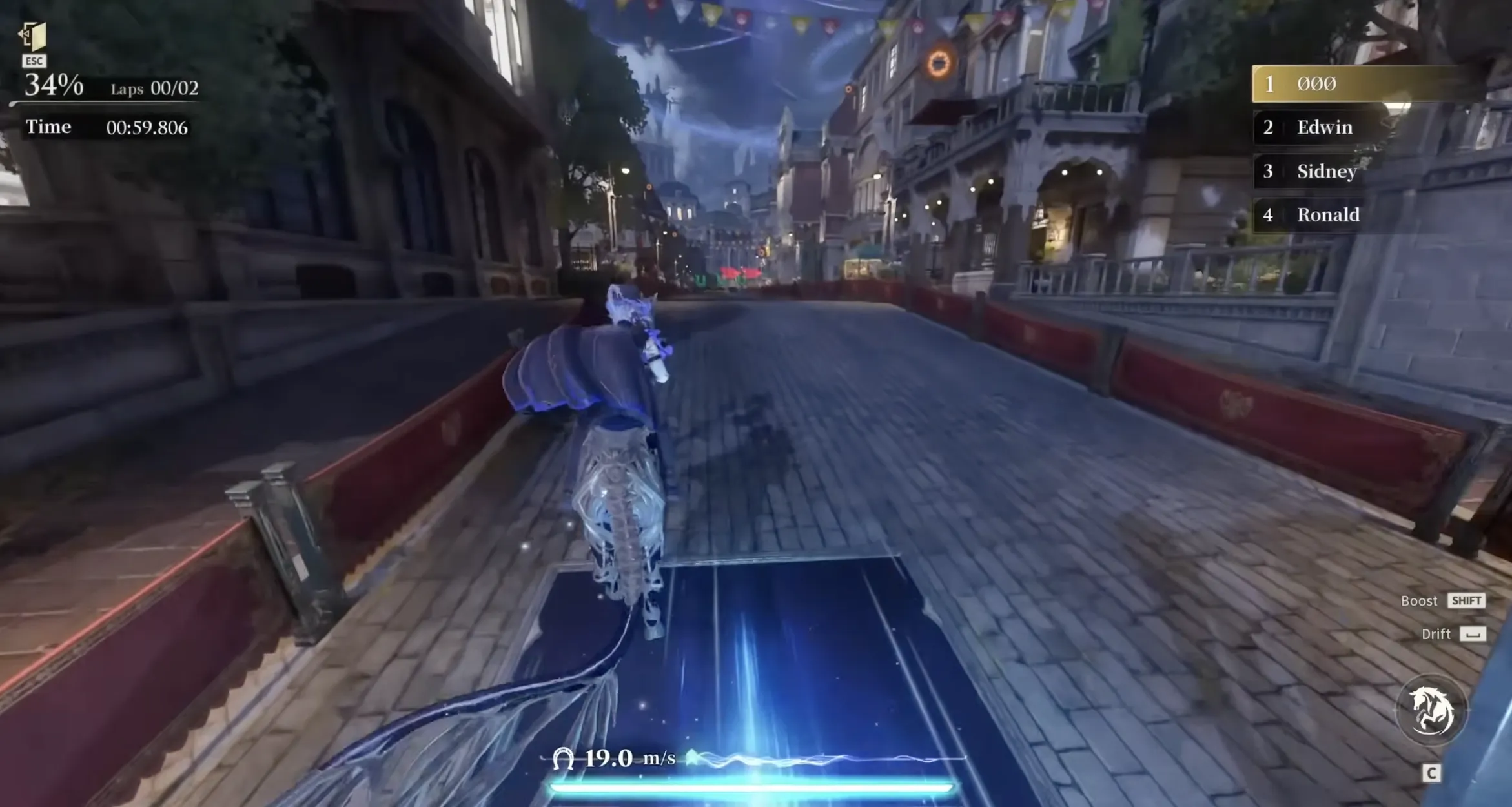
It also filled the city with things to do that are not crime. Chess duels from a first-person view against a match clock, card games at a four-player table, Scarlet Gambit (a full poker roguelike with its own progression), surgery and autopsy sequences that feed into cases, and urban horse racing through the streets. The minigames guide covers each of them.
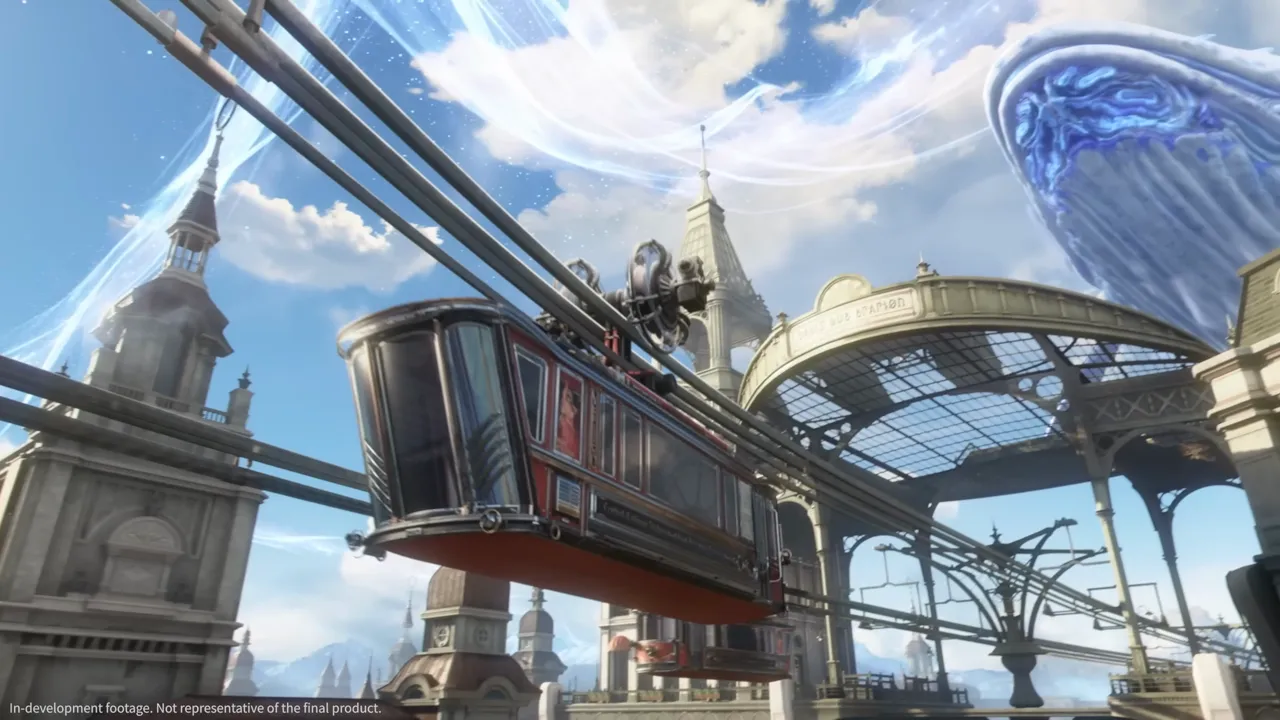
Traversal widened to match. The Silverium Pegasus is joined by vintage automobiles and large airborne vessels.
The daily routine
Dichotomy ships a full live-service loop, and the shape of a day in it is short enough to state outright.
Start with your dailies. They pay account experience and they do not carry over, so finishing them before the reset is the one loss you cannot make up tomorrow.
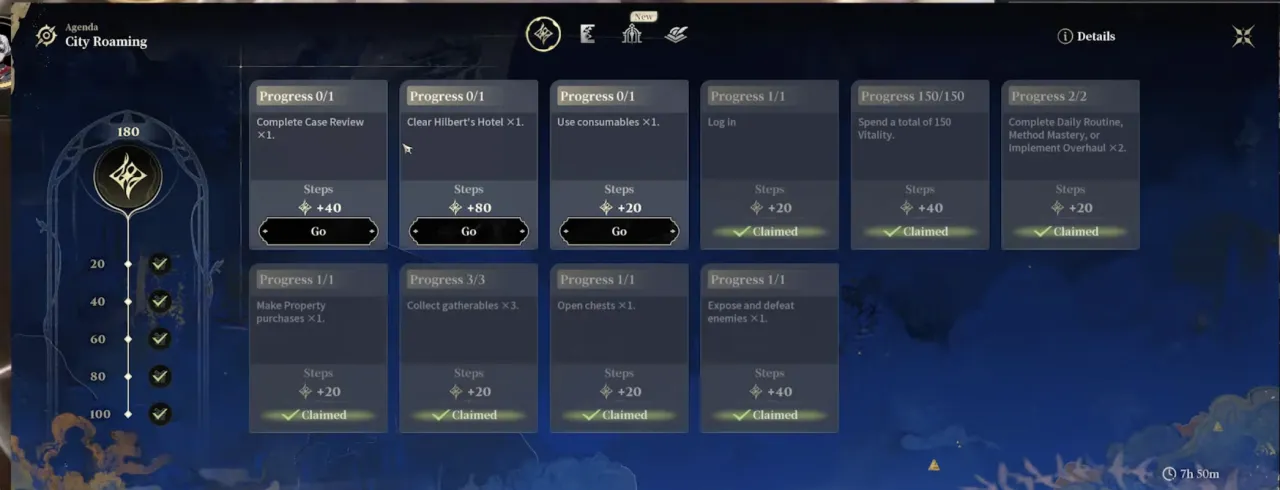
Add one Case Review to that. It rewards the valuable materials the late-game skill upgrades require, and it is worth protecting as a habit even on a day when you do nothing else.
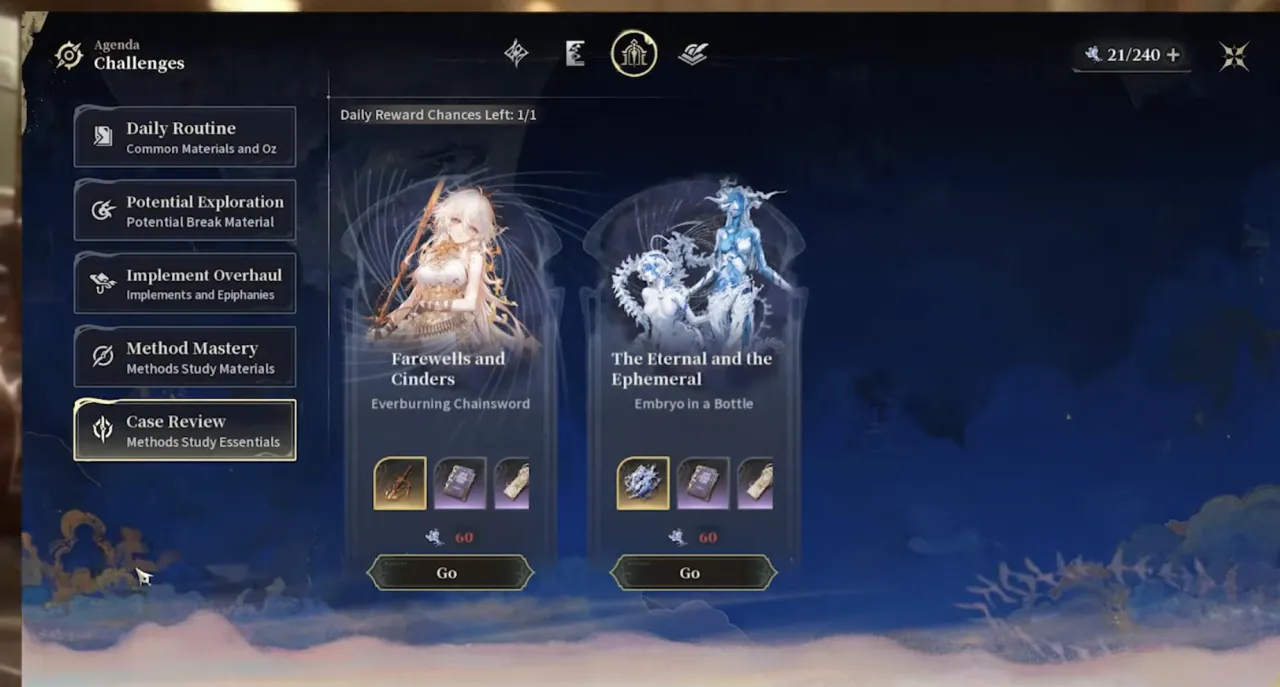
City Records is the track that guides your progression
After the dailies, check your Agenda and work the missions under City Records. These objectives walk you through the game's different systems, and they hand back everything you need to upgrade and pull: insight materials for upgrading characters, normal materials for raising the character level cap, and Reactor Crystals for pulls.
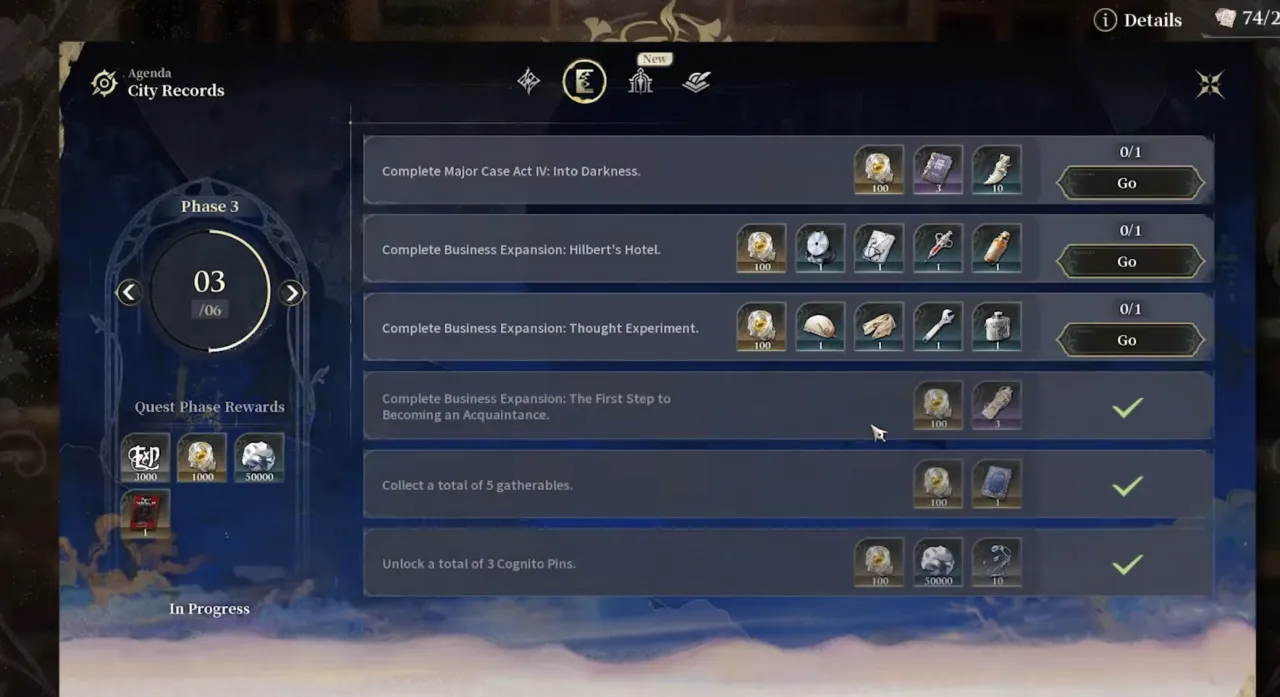
Because it pays out in both pull currency and upgrade materials, City Records is the track worth clearing ahead of anything optional.
Four character menus worth checking regularly
Character Identity is levels. Keep the characters you actually field at the highest level available to them. It gets expensive, but at higher levels each level grants HP, attack and defence, so the payoff scales with the cost.
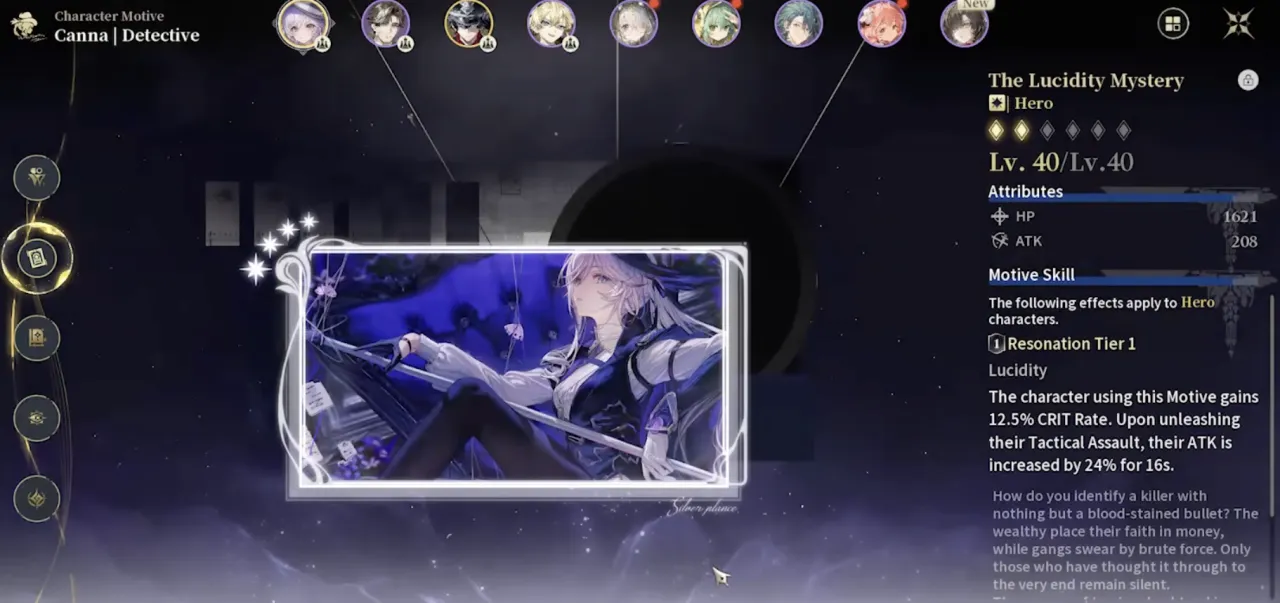
Character Motive is the one most players overlook. Motives are cards that grant a character additional stats and a unique effect, so every character you use should have one equipped and upgraded. The difference between running a Motive and running none is not subtle: a single card can be worth something on the order of 12 percent CRIT Rate, or 24 percent attack.
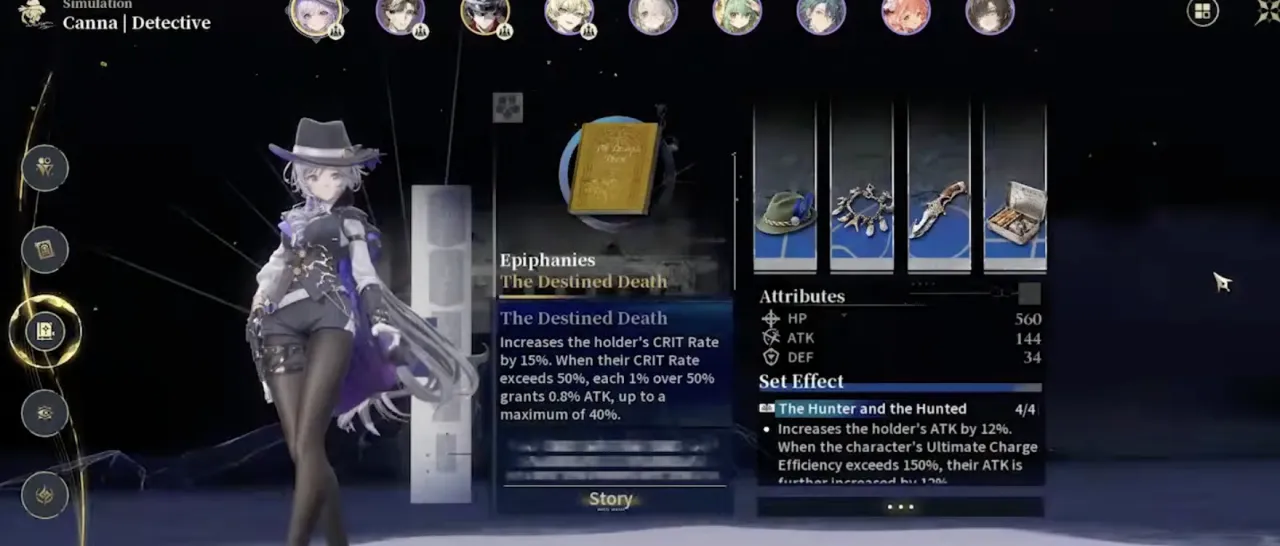
Character Simulation is the equipment system, and it is easy to keep playing without ever opening it. Even a basic set adds a significant amount of stats, with a completed set worth roughly 24 percent attack. Farming sets in a three-week test is not a fair read on how grindy or how strong they will be at launch, but in this build the difference is large enough that every character on your main team should have Simulation gear equipped rather than empty slots.
Character Methods is your skill upgrades. The early nodes are relatively cheap, so unlock them as soon as you can on the characters you use regularly. The added damage is immediate and there is no reason to leave them sitting.
Two stamina systems: Vitality and City Affairs
Silver Palace now runs two separate stamina pools, Vitality and City Affairs stamina. Both matter for account progression, so try to avoid letting either one reach max.
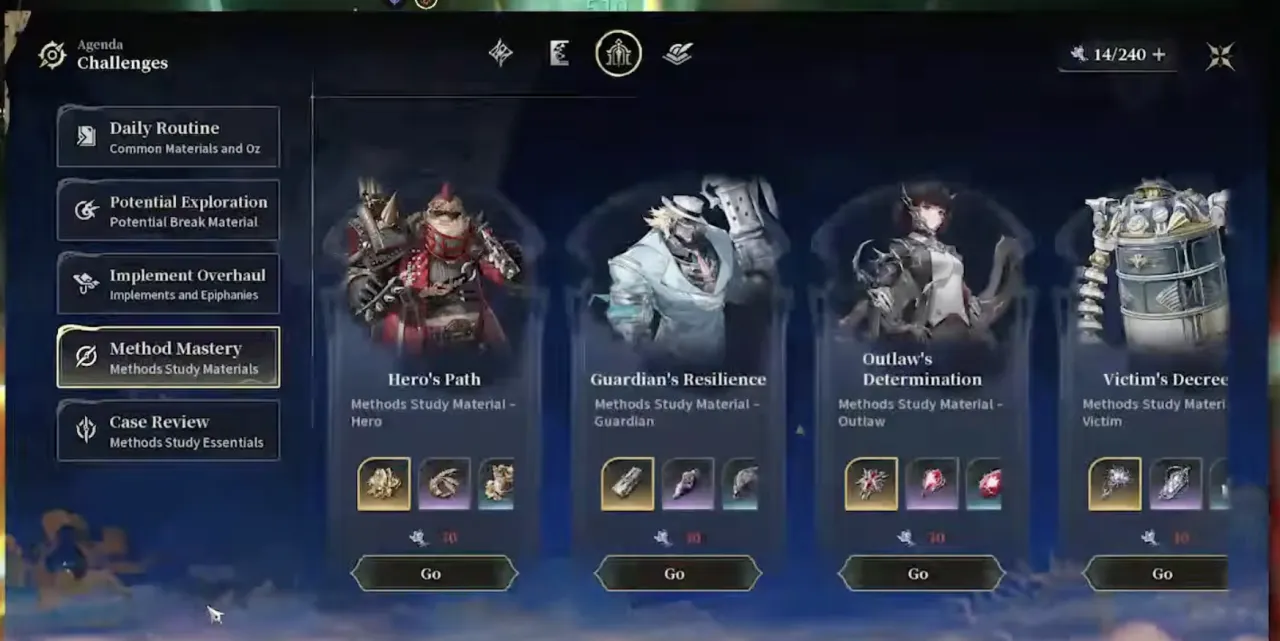
Vitality is spent through Method Mastery. Early on that means materials for your character skill upgrades, which is one of the safest things you can invest in because those upgrades stay useful for the rest of your account's life. Spending Vitality also awards account experience, so a capped bar costs you twice over: the resources you did not collect, and the account level you did not gain.
City Affairs stamina goes into the activities available around the city. Those activities raise your Popularity level, which pays account experience of its own, and that makes the second pool just as important to progression as the first.
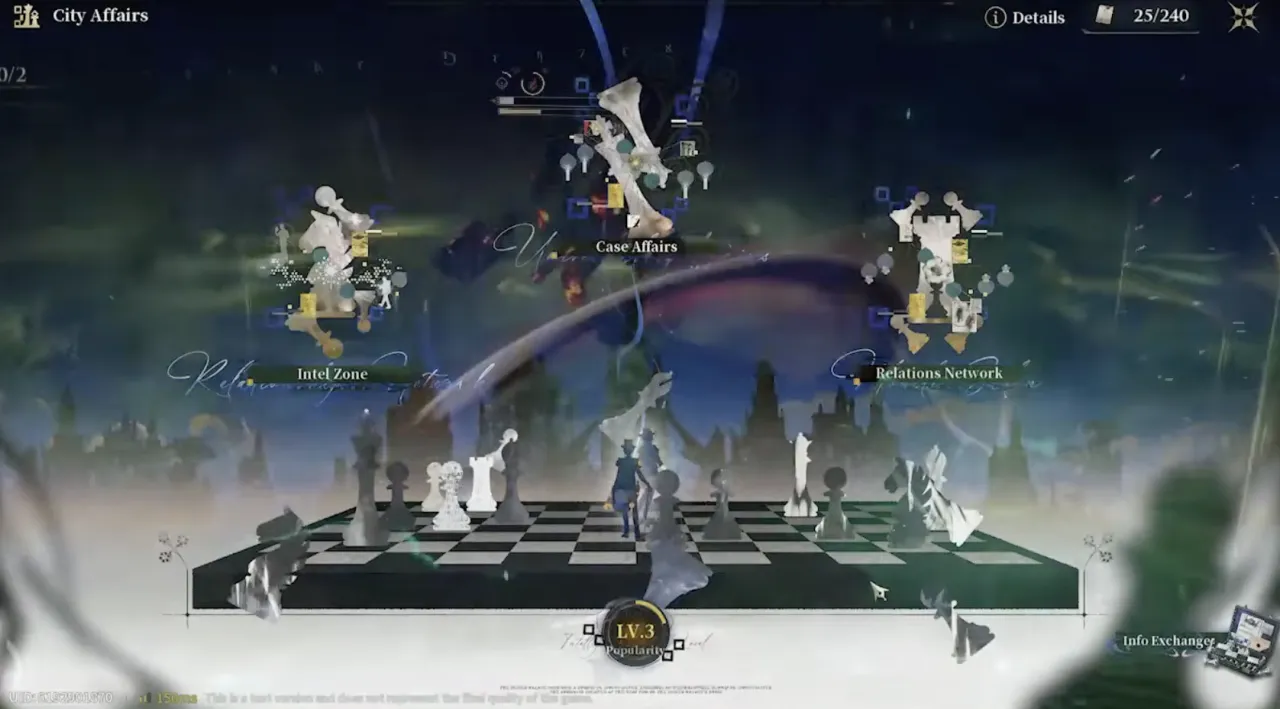
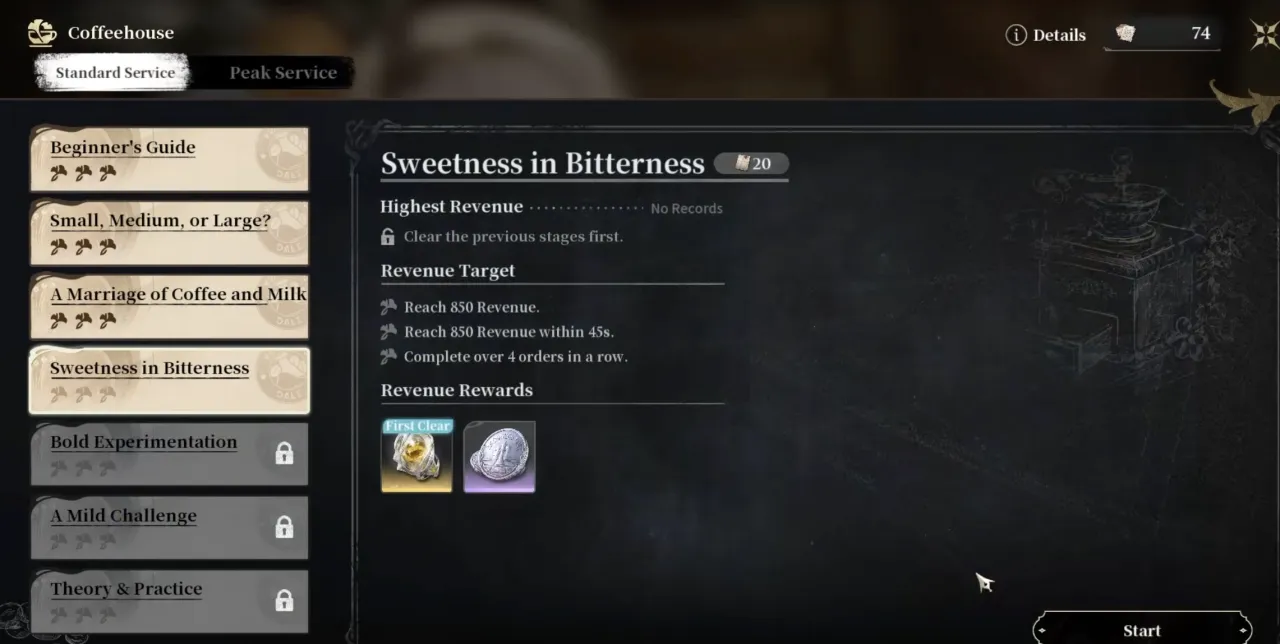
Where you spend it is honestly not that important at the start. Horse racing, the coffee shop, whichever city activity you actually enjoy, they all feed the same track.
The coffee shop shows the shape these take: a staged list you work through, with each stage a timed round against a revenue target.
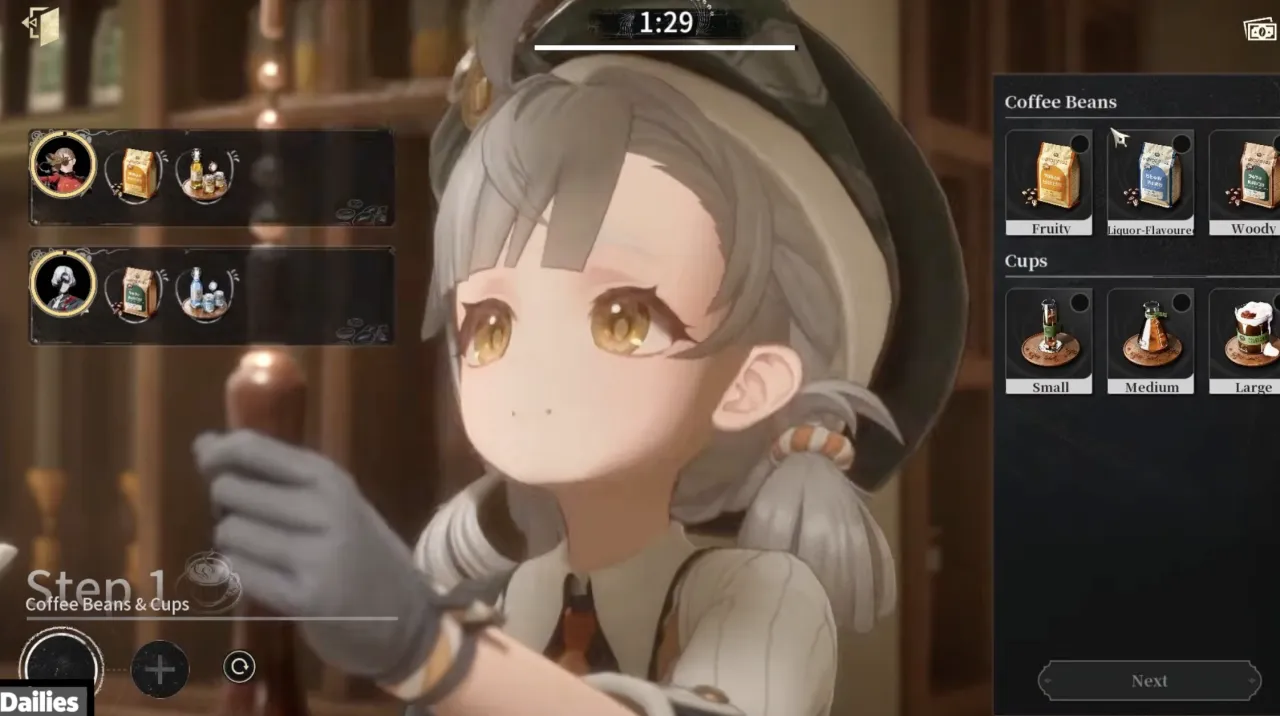
The important thing is simply that you spend it, rather than letting it sit full.
City Property, and why to unlock it early
The system to prioritise the moment it becomes available is City Property. Your properties generate stocks and coins over time, so unlocking it earlier means you start accumulating sooner.
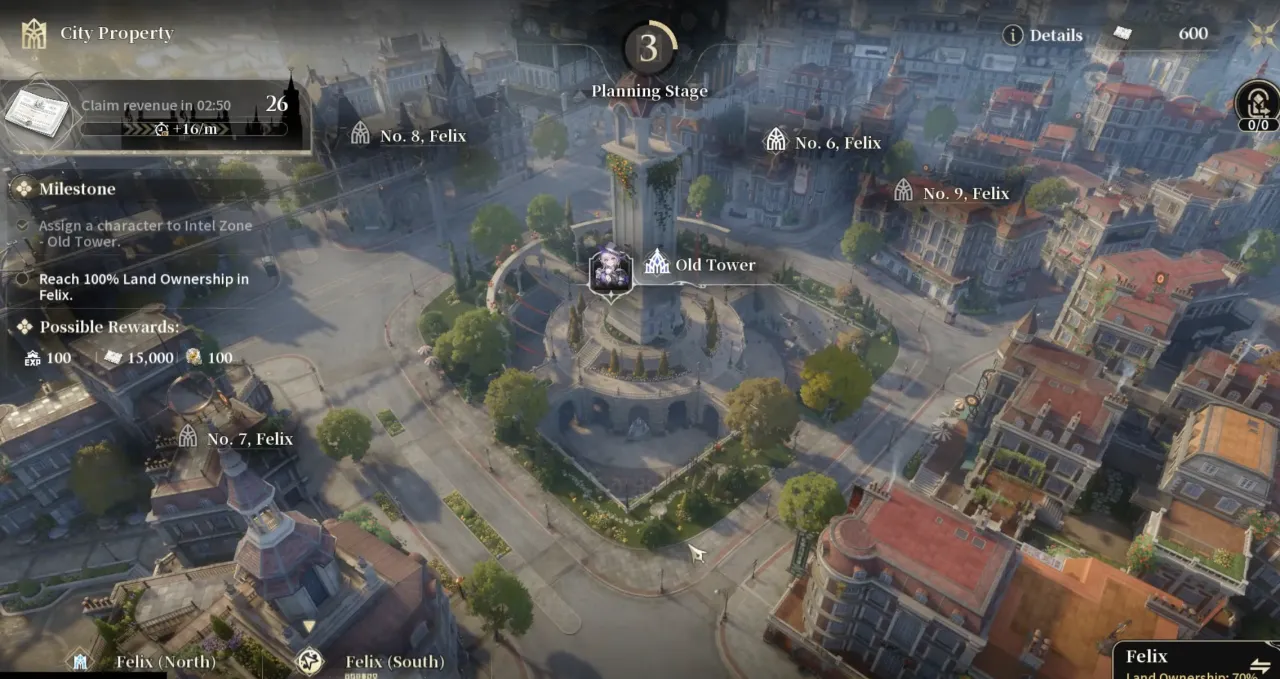
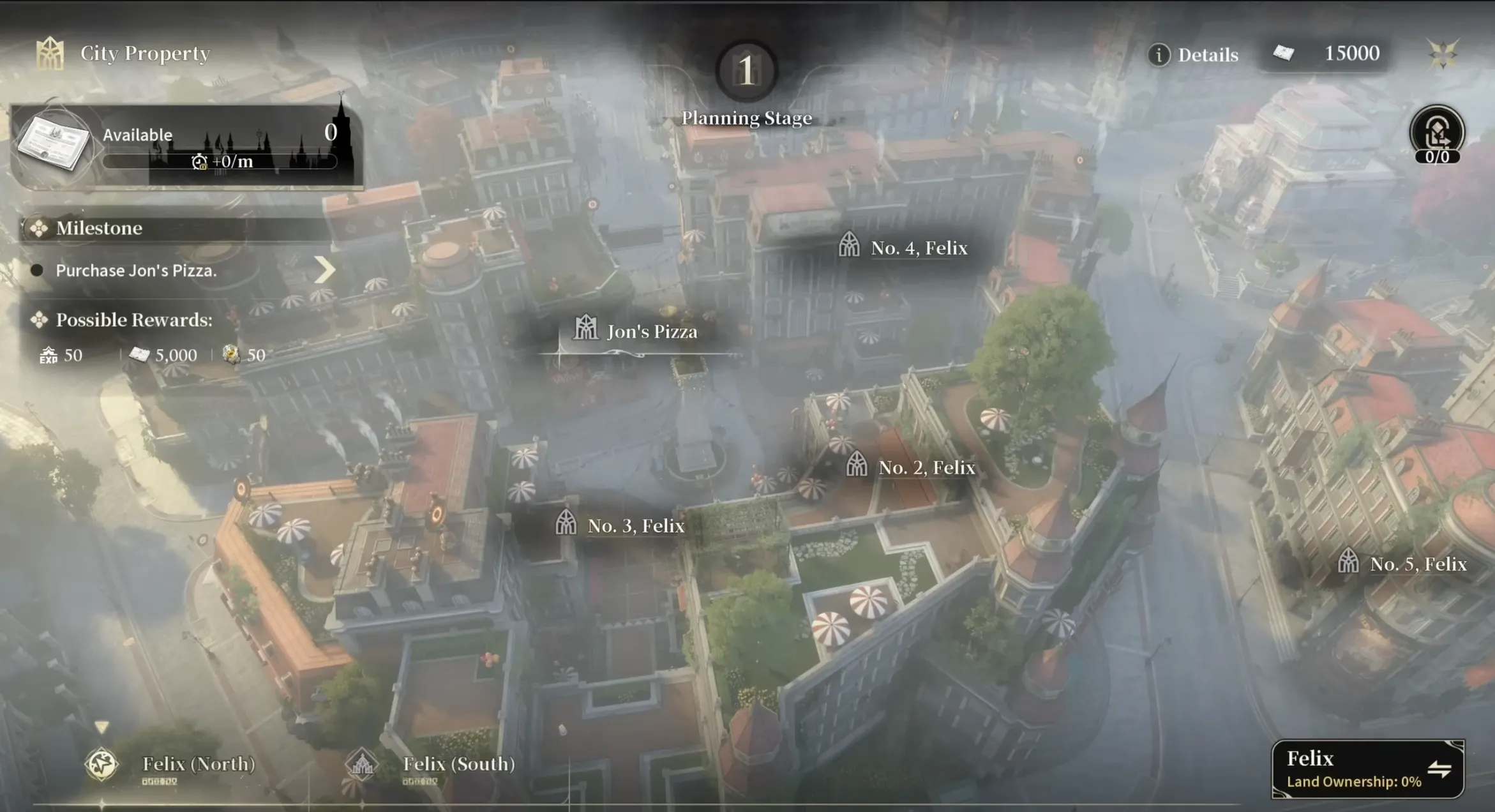
A Planning Stage view of the same district shows how property purchases build out over time: a milestone task to buy the district's first building, with its EXP, Ounce and Reactor Crystal rewards listed alongside numbered plots still waiting to be claimed.
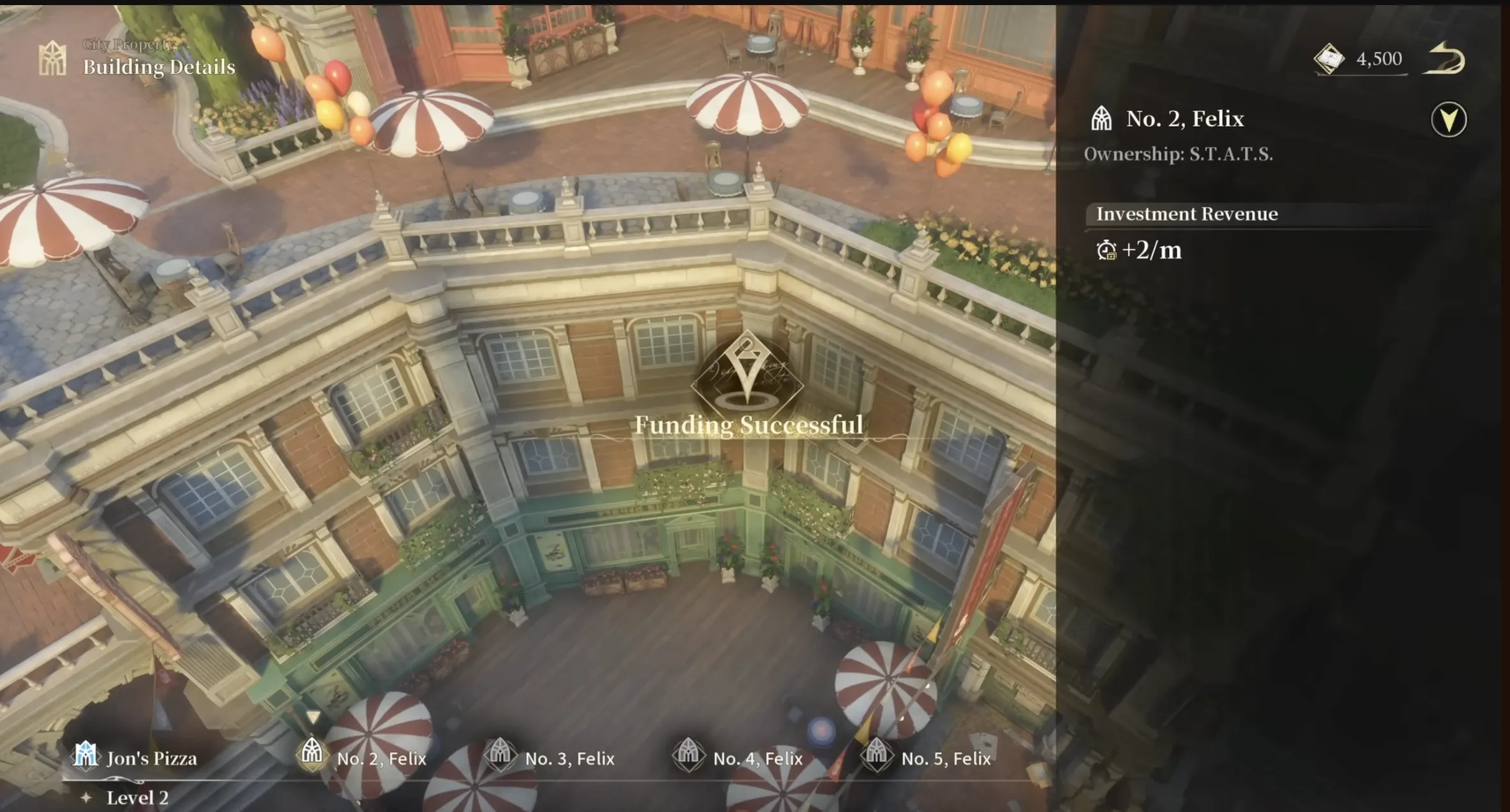
A purchased building's detail screen tracks its own ownership and revenue rate separately, here a Felix property generating currency at +2 per minute under S.T.A.T.S ownership.
Those coins then buy useful materials, Reactor Crystals for pulls, and Motives, through the Info Exchange inside the City Affairs menu.
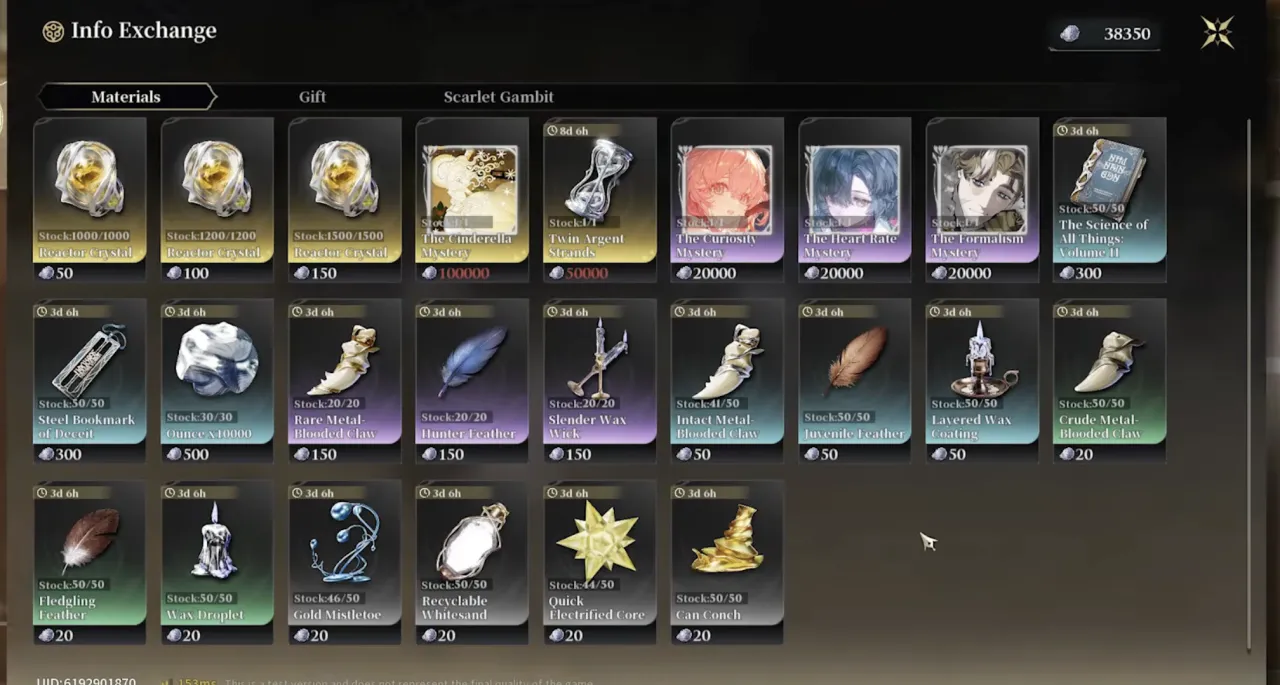
Because properties generate resources passively, delaying any of this only means missing out on materials you could otherwise have been earning in the background. Everything else in the build can be farmed back. Property revenue only exists for the hours you owned the property.
What stayed the same
Not everything changed, and the constants are worth noting:
- PC (Windows) only. No console or mobile client in either test.
- 18+ and closed. Both tests were limited-access with age gating.
- No purchases, full wipe. Neither test had monetisation, and both wipe all progress at the end.
- Device binding. Access binds to your first login device in both tests.
- Thought Experiment and Case Simulation. The endgame combat challenges introduced in Monotype carried into Dichotomy. See the Thought Experiment guide.
- Real Estate Investment. Introduced in Monotype and built out in Dichotomy as City Property.
What this tells you about launch
Two tests is enough to see a direction. Monotype validated the core loop. Dichotomy scaled it and added the systems that give the game an identity distinct from its genre peers.
The pattern in what got added is consistent: everything new in CBT2 pushes toward the detective fantasy rather than away from it. Interrogation, forensic sequences, surveillance photography, a city with its own social life. The combat rework is the exception, and even that is about making encounters feel deliberate rather than reflexive.
For the full picture of the current build, see the Dichotomy Beta guide, and our CBT2 review for a verdict on how it actually plays.
Frequently Asked Questions
What is the difference between the Monotype and Dichotomy betas?
Monotype was a five-day vertical slice in January 2026 with seven playable characters and one urban area. Dichotomy is a three-week test with 15 playable characters, over 40 hours of content, a male protagonist option, previously locked districts, a reworked combat loop with stamina, and a new interrogation system.
How many characters were in the Monotype beta?
Seven: Detective, Cinderella, Cynthia II, Argos, Alf, Lorin and Firtho. Dichotomy expands that to 15 with eight debuts.
Did combat change between the two betas?
Yes, substantially. Monotype's loop was built on parry, dodge, a stun gauge and executions. Dichotomy adds stamina management as a resource constraint, reworks stun buildup, adds boss finishing animations, and introduces a combat-assist system for accessibility.
How many stamina systems does Silver Palace have?
Two. Vitality gates the combat farms such as Method Mastery and Case Review, which produce character upgrade materials. City Affairs stamina gates the city activities such as horse racing and the coffee shop, which raise your Popularity level. Both award account experience when spent, so the goal is to spend both every day rather than let either cap.
What is the difference between Motives and Simulation in Silver Palace?
A Motive is a card equipped to a character that grants additional stats and a unique effect, worth on the order of 12 percent CRIT Rate or 24 percent attack on its own. Simulation is the separate equipment system, where a completed set is worth roughly 24 percent attack. They are different menus, and a character you actually field should have both.
Will there be a third Silver Palace beta?
Yes. Elementa confirmed the third beta test in its July 23, 2026 announcement and opened an eligibility checker for it on August 26, 2026. On September 23 it named it the Dichotomy: Retrace Technical Test, on Android, iOS and PC, recruiting until October 10. See the third beta test tracker.
Know someone tracking Silver Palace? Send them this.
About the Author
Silver Palace Meta Team
Silver Palace Meta Team
We're dedicated to providing comprehensive coverage of Silver Palace news, updates, and community insights.